
Ethnic Crossroads in Xishuangbanna: Visiting Dai and Akha Hill Tribes
- Date:
- Views:254
- Source:The Silk Road Echo
Ever dreamed of stepping into a world where time slows down, traditions run deep, and vibrant cultures bloom like jungle orchids? Welcome to Xishuangbanna — China’s tropical frontier in southern Yunnan, where misty hills cradle ancient hill tribes and emerald valleys echo with the rhythms of Dai water splashing festivals.
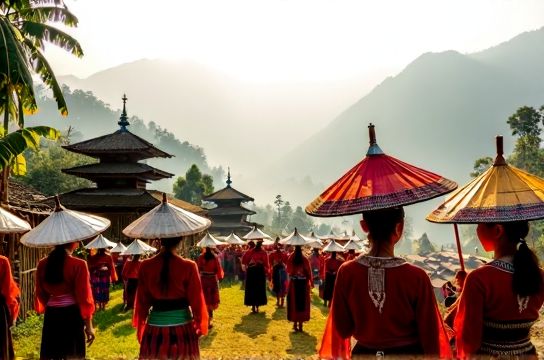
This lush corner of China isn’t just about rubber plantations and banana groves. It’s an ethnic mosaic, home to over 13 indigenous groups. But two communities steal the spotlight: the graceful, Theravada Buddhist Dai people and the fiercely proud, head-dress-adorned Akha (Hani subgroup).
Why Visit These Cultures?
The magic lies in contrast. The Dai live in lowland river villages, their stilted bamboo homes crowned with sweeping tiled roofs and golden Buddhist stupas piercing the skyline. Meanwhile, the Akha cling to mountain ridges, preserving animist rituals, intricate embroidery, and a way of life that feels centuries removed — yet just a winding road away.
Travelers don’t just see culture here — they taste it (hello, fermented fish and Akha bamboo rice), wear it (try on handwoven indigo), and dance to it during seasonal festivals.
Key Cultural Comparison: Dai vs. Akha
| Feature | Dai People | Akha People |
|---|---|---|
| Population in Xishuangbanna | ~300,000 | ~80,000 |
| Primary Language | Dai (Tai-Kadai family) | Akha (Tibeto-Burman) |
| Religion | Theravada Buddhism | Animism & Ancestor Worship |
| Famous Festival | Water Splashing Festival (April) | Soul-Calling Festival (January) |
| Traditional Attire Highlight | Tube skirts, gold jewelry | Silver coins, beaded headdresses |
Tips for Ethical Exploration
Yes, tourism helps preserve culture — but only if done right. Avoid snapping photos during sacred rituals unless invited. In Akha villages like Zuokezhai, always ask elders before entering spirit gates or photographing altars. For the Dai, join the Water Festival, but respect temple zones — shoulders and knees covered, please!
Stay in eco-homestays, sip house-brewed rice wine, and buy directly from artisans. Your visit fuels cultural pride, not just commerce.
Xishuangbanna isn’t just a destination — it’s a living museum of human resilience and beauty. Whether you’re blessing monks at dawn in Jinghong or tracing Akha embroidery patterns under a thatched roof, you’re not just passing through. You’re becoming part of the story.