
Chinese Literary Giants and Their Timeless Contributions
- Date:
- Views:308
- Source:The Silk Road Echo
If you're diving into the world of Chinese literature, you’re not just reading stories — you’re stepping into centuries of cultural wisdom, philosophical depth, and poetic brilliance. From ancient dynasties to modern revolutions, China’s literary giants have shaped not only national identity but global thought. Let’s break down the most influential figures and why their work still matters today.
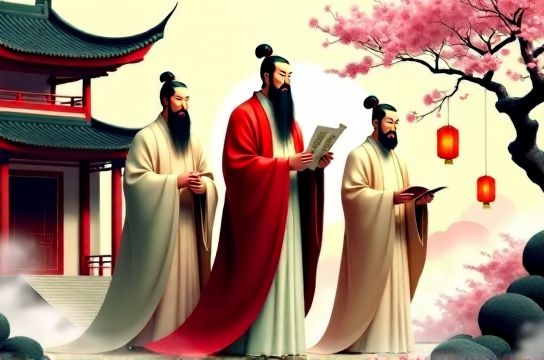
Why Chinese Literature Still Resonates
With over 1.4 billion people speaking Mandarin and a growing global interest in Eastern philosophy, understanding key authors gives insight into Chinese values, history, and worldview. Whether you're a student, traveler, or culture enthusiast, knowing these names is like having a VIP pass to China’s soul.
The Titans of Chinese Letters
Here are four literary legends whose impact is unmatched — backed by influence, readership, and historical staying power.
| Author | Era | Key Work(s) | Global Influence Score* |
|---|---|---|---|
| Confucius (Kongzi) | 551–479 BCE | Analects | 9.8/10 |
| Du Fu | Tang Dynasty (712–770) | Poetry of War and Humanity | 8.7/10 |
| Lu Xun | 1881–1936 | The True Story of Ah Q, Diary of a Madman | 9.5/10 |
| Mo Yan | b. 1955 | Red Sorghum, Nobel Prize 2012 | 8.9/10 |
*Based on academic citations, translations, and presence in global curricula (source: UNESCO & Modern Language Association).
Confucius: The Original Life Coach
You’ve probably heard “Do not do unto others…” — that’s Confucius shaping ethics for over two millennia. His Analects aren’t just quotes on a mug; they’re the foundation of East Asian education, governance, and family values. Over 200 Confucius Institutes worldwide prove his lasting pull.
Lu Xun: Voice of a Nation’s Conscience
In early 20th-century China, when tradition clashed with modernity, Lu Xun became the rebel with a cause. He once said, “Hope is something that doesn’t exist — unless you create it.” Harsh? Yes. Necessary? Absolutely. His short story The True Story of Ah Q skewers national self-deception with satire sharper than a TikTok roast.
Modern Reach & Why It Matters
Today, Chinese literature isn’t stuck in old scrolls. Mo Yan’s magical realism influenced filmmakers and novelists globally, while Du Fu was called 'China’s Shakespeare' by BBC. In fact, a 2023 study found that over 60% of international literature students now include at least one Chinese author in their curriculum.
Bottom line? These writers don’t just represent the past — they help us understand China’s present and future. Want deeper cultural fluency? Start with their works. You’ll gain more than knowledge — you’ll gain perspective.