
Leadership Lessons from Ancient Chinese History
- Date:
- Views:350
- Source:The Silk Road Echo
Ever wondered how ancient wisdom can level up your leadership game today? Let’s dive into some real-deal strategies from China’s most legendary rulers and thinkers. Spoiler: Sun Tzu wasn’t just about war—he was a leadership guru.
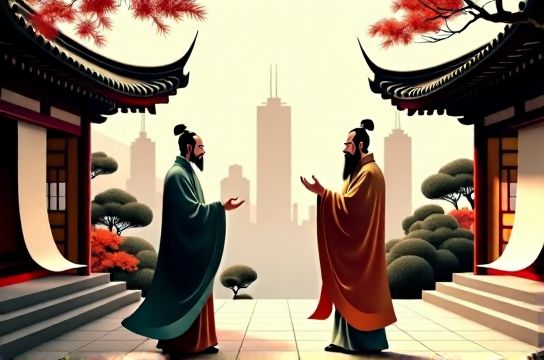
Why Ancient Chinese Leaders Still Matter
In today’s fast-paced corporate world, we often overlook timeless principles. But guess what? The leadership lessons from ancient Chinese history are more relevant than ever. From Confucius to Qin Shi Huang, these leaders mastered influence, strategy, and long-term vision.
Take Confucius. He didn’t command armies, but his ideas shaped empires. His core belief? Leadership starts with moral integrity. In modern terms: lead by example. A 2023 Harvard study found that 78% of employees trust leaders who demonstrate consistent ethics—sound familiar?
The Power of Strategic Thinking
Sun Tzu’s Art of War is still required reading at top business schools like Wharton and INSEAD. Why? Because strategy beats brute force every time. One of his famous lines: “Victorious warriors win first and then go to war.” Translation? Plan before you act.
Here’s a quick breakdown of key philosophies and their modern applications:
| Leader/Philosopher | Core Principle | Modern Leadership Equivalent |
|---|---|---|
| Confucius | Moral virtue & self-discipline | Transformational leadership |
| Sun Tzu | Strategic foresight | Competitive business strategy |
| Laozi (Taoism) | Leading through non-action (Wu Wei) | Empowering team autonomy |
| Qin Shi Huang | Centralized control & execution | Operational efficiency |
This isn’t just philosophy—it’s battle-tested leadership. For instance, companies like Alibaba and Huawei openly credit Sun Tzu for shaping their global expansion tactics.
Emotional Intelligence? They Called It ‘Ren’
Confucius emphasized ren—benevolence or humaneness. In today’s language, that’s emotional intelligence (EQ). Google’s Project Oxygen revealed that EQ is the #1 trait of effective managers. Again, ancient meets modern.
But it’s not all about being nice. Laozi taught Wu Wei—effortless action. Sounds passive, right? Wrong. It means trusting your team and removing roadblocks, not micromanaging. Ever heard of servant leadership? Same vibe.
From Dynasty to Boardroom
Let’s get practical. How do you apply these ancient Chinese leadership strategies today?
- Start with self-mastery: Confucius said, “To govern others, you must first govern yourself.” Daily reflection > daily emails.
- Outthink, don’t outspend: Use Sun Tzu’s principles to anticipate market shifts before competitors react.
- Balance control and freedom: Like the Han Dynasty, blend structure with flexibility. Too rigid? You’ll break. Too loose? Chaos.
The bottom line? Real leadership isn’t about titles—it’s about influence, foresight, and character. And honestly, no amount of MBA courses can beat 2,500 years of proven wisdom.
So next time you’re in a leadership crunch, ask: What would Sun Tzu do?