
How Chinese Youth Are Redefining National Achievement
- Date:
- Views:302
- Source:The Silk Road Echo
If you think national pride is all about Olympic golds or GDP rankings, think again. The new face of Chinese youth achievement is being rewritten — not just in labs and stadiums, but on social media, in startups, and even through fashion runways.
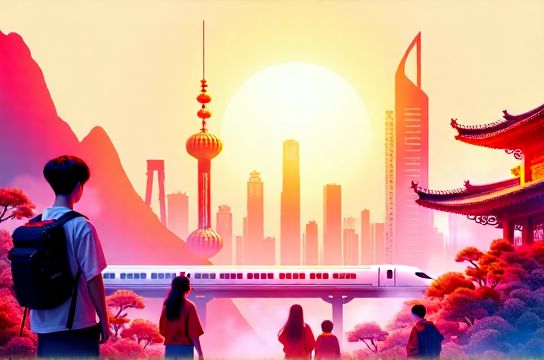
Today’s Gen-Z and young millennials in China aren’t chasing success the old way. They’re blending tradition with innovation, turning cultural identity into a competitive edge. From Li Ning’s streetwear boom to ByteDance’s global tech dominance, young creators are proving that national achievement isn’t just top-down — it’s viral, personal, and deeply digital.
The Rise of Cultural Confidence
A 2023 Tencent report found that 78% of Chinese youth aged 18–30 actively support brands that promote traditional culture. This isn’t nostalgia — it’s nationalism with a filter. Take Hanfu, for example. Once seen as niche cosplay, it’s now a full-blown movement. Platforms like Xiaohongshu (Little Red Book) host over 5 million posts tagged #Hanfu, with monthly engagement up 300% since 2021.
But it’s not just about looks. Young entrepreneurs are monetizing heritage. Startups like Shangxia (上下) fuse Ming-era craftsmanship with modern design, earning international acclaim and attracting investment from Hermès.
From Consumers to Creators
Forget copying Western trends. China’s youth are exporting their own. Consider the rise of guochao (国潮), or "national trend" — a wave of homegrown brands redefining cool.
| Brand | Founded | Youth Market Share (2023) | Cultural Elements Used |
|---|---|---|---|
| Li Ning | 1990 | 62% | Tang suit details, calligraphy logos |
| Perfect Diary | 2017 | 58% | Pandas, Peking Opera packaging |
| Shein | 2008 | 45% | Modernized qipao prints |
As one Beijing-based marketer put it: "Young people don’t want to be told they should love China. They want to feel proud while scrolling TikTok." And brands that tap into this emotion win big.
Digital Patriotism & Global Reach
Social media has become the new frontline of soft power. On Douyin and Bilibili, creators blend patriotism with memes, music, and dance challenges. A viral 2022 video titled "I’m Proud of My Generation" racked up 40 million views, celebrating everything from high-speed rail to eco-tech.
Even gaming plays a role. Games like Genshin Impact, developed by miHoYo, feature landscapes inspired by Zhangjiajie and music rooted in traditional orchestration. It earned $4 billion globally in 2023 — making cultural export feel effortless.
The Shift in Values
This generation measures success differently. It’s not just about wealth or status — it’s about authenticity and impact. A 2024 survey by Zhihu showed that 67% of young professionals would take a pay cut to work for a socially responsible company.
They’re also redefining national contribution beyond military or political terms. Whether it’s coding open-source AI tools or launching green fashion lines, contribution means building something meaningful — on their own terms.
In short, Chinese youth aren’t waiting for permission to be proud. They’re creating the future — and wearing it on their sleeves, literally.