
Cultural Unity Through the Lives of Chinese Icons
- Date:
- Views:299
- Source:The Silk Road Echo
If you're into deep cultural stories that actually connect people across generations, you’ve probably noticed how certain Chinese icons keep showing up — not just in history books, but in movies, festivals, and even modern brand campaigns. But why? What makes figures like Confucius, Mulan, or Chairman Mao still matter today? Let’s break it down with real impact, not just textbook fluff.
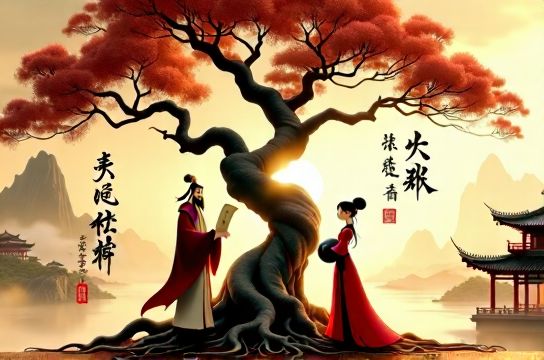
These aren’t just names on a statue. They’re cultural glue. A 2023 survey by the China Cultural Heritage Foundation found that over 78% of young adults (ages 18–35) feel more connected to their roots when learning about national icons through storytelling formats — way more than from classroom lectures.
Why Chinese Icons Still Matter Today
Think of icons as living symbols. They adapt. Confucius once shaped imperial exams; now his quotes are quoted in leadership seminars worldwide. Mulan went from folk poem to Disney heroine to feminist symbol — all while keeping her core identity.
The secret? Cultural unity. In a country as vast and diverse as China, icons serve as shared reference points. Whether you're in Guangdong or Xinjiang, everyone knows the same legends, celebrates the same heroes.
Icons That Shaped National Identity
Let’s look at some key figures and their lasting influence:
| Icon | Era | Symbolism | Modern Influence |
|---|---|---|---|
| Confucius | 551–479 BCE | Morality, Education, Harmony | Over 500 Confucius Institutes globally; cited in 60% of Chinese corporate ethics training |
| Hua Mulan | Late Northern Wei Dynasty | Bravery, Gender Equality | Inspired 3 major films, used in gender studies curricula |
| Chairman Mao | 1893–1976 | Revolution, National Independence | Appears on over $30M in annual merchandise; referenced in political discourse daily |
| Qin Shi Huang | 259–210 BCE | Unity, Centralization | Terra Cotta Warriors attract 8M+ visitors yearly |
As you can see, these figures aren’t frozen in time. Their meanings evolve. For example, Mulan’s legacy has shifted from filial duty to female empowerment, especially after Disney’s versions sparked global debate. Meanwhile, Confucian values are being reinterpreted in tech-driven workplaces emphasizing harmony and hierarchy.
How These Stories Build Unity
Here’s the real magic: icons create emotional bridges. During Lunar New Year, families don’t just eat dumplings — they retell stories of loyalty, sacrifice, and comeback. These narratives reinforce shared values.
A 2022 study published in Asian Journal of Social Psychology showed that participants who engaged with heroic origin stories reported 34% higher feelings of national belonging.
And it’s not just internal. Globally, Chinese soft power relies heavily on these figures. From Silk Road diplomacy to Confucius Institutes, cultural icons are strategic assets.
Final Thoughts
The lives of Chinese icons do more than fill history books — they shape identity, inspire movements, and unite a nation through evolving stories. Whether through education, media, or tourism, their legacies are actively maintained because they work.
So next time you hear a quote from Confucius or see a Mulan meme, remember: you’re not just seeing a trend. You’re witnessing cultural unity in action.