
Icons of Change Among Chinese Culture Keepers
- Date:
- Views:394
- Source:The Silk Road Echo
If you're diving into the world of Chinese cultural preservation, you’ve probably noticed a quiet revolution happening—not in museums, but on social media, indie studios, and grassroots communities. The real icons of change aren’t just scholars or officials; they’re the passionate individuals keeping traditions alive with a modern twist. Let’s break down who they are, what they do, and why their work matters more than ever.
The New Faces of Tradition
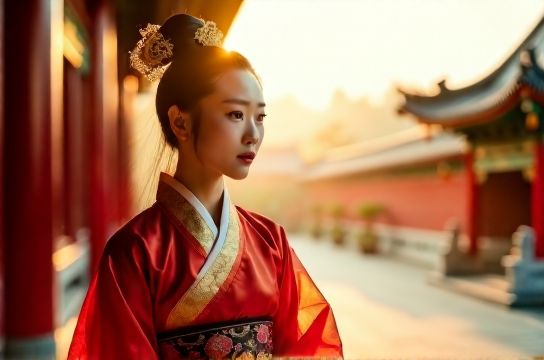
Gone are the days when Chinese culture keepers meant only calligraphers in silk robes or opera masters training for decades. Today’s guardians include TikTok creators reviving Hanfu fashion, indie game devs embedding folklore into pixel art, and tea artisans selling directly through livestreams. They blend authenticity with accessibility—and it’s working.
Take Li Ziqi, for example. Her YouTube channel, with over 17 million subscribers, doesn’t just show how to make soy sauce from scratch—it frames rural Chinese life as an art form. UNESCO even featured her work as part of intangible cultural heritage promotion.
Why Traditional Preservation Models Are Failing
Official efforts matter, but they often lack reach. A 2022 report by China Daily noted that while over 4,300 items are listed as national intangible cultural heritage, fewer than 15% have active youth engagement. That’s where independent culture keepers step in.
| Cultural Form | Official Practitioners (Est.) | Online Creators (Est.) | Youth Engagement Rate |
|---|---|---|---|
| Peking Opera | 2,100 | ~380 | 8% |
| Hanfu Fashion | 120 | ~9,500 | 67% |
| Tea Ceremony | 3,400 | ~6,200 | 43% |
| Folk Paper Cutting | 890 | ~2,100 | 29% |
Source: China Cultural Industry Association, 2023
See the pattern? Where official numbers stagnate, online communities explode—especially in visually engaging, lifestyle-friendly formats like Hanfu fashion and tea culture.
How to Support Real Change (Without Being a Scholar)
You don’t need a PhD to contribute. Here’s how to engage meaningfully:
- Follow and share authentic creators—not just influencers selling aesthetics.
- Buy from artisan-led shops, especially those explaining their craft’s history.
- Attend local cultural events or virtual workshops (many are free).
One rising star is Duoyunxuan, a 150-year-old print studio now teaching woodblock printing via Instagram reels. Their follower count jumped 300% in two years—proof that legacy institutions can evolve.
The Future Is Hybrid
The most impactful Chinese culture keepers today aren’t rejecting tradition—they’re remixing it. Think guqin music sampled in electronic tracks, or AI-generated calligraphy used in streetwear designs. The goal isn’t purity; it’s relevance.
If we want these traditions to survive beyond textbooks, we need more bridges between old wisdom and new platforms. And honestly? The internet might be our best shot.