
How Chinese Figures Influence Global Fashion Trends
- Date:
- Views:377
- Source:The Silk Road Echo
If you've been paying attention to runways in Paris, Milan, or even New York lately, you’ve probably noticed something: Chinese fashion influencers and celebrities are everywhere. From red carpet looks to luxury brand ambassadorships, Chinese figures are no longer just participants — they’re trendsetters.
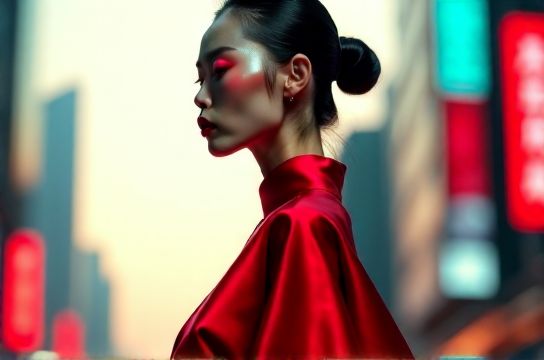
Take a look at the numbers. In 2023, Vogue Business reported that over 60% of global luxury brands now have at least one Chinese celebrity as a house ambassador. That’s up from just 35% in 2019. Why? Because these icons don’t just wear clothes — they move markets.
Case in point: When actress Liu Yifei was named Dior’s first-ever global brand ambassador from China, Dior saw a 28% spike in social media engagement in Greater China within two months. More importantly, their Q3 sales in Asia jumped by 21% year-over-year. That’s not coincidence — that’s influence.
The Power Behind the Aesthetic
What makes Chinese fashion icons so effective? It’s a mix of cultural authenticity, digital reach, and strategic branding. Unlike traditional Western models, many Chinese stars blend heritage elements with modern style — think qipao-inspired silhouettes on the Met Gala red carpet or Tang Dynasty motifs reimagined in streetwear.
Social media plays a huge role too. Platforms like Weibo and Xiaohongshu (Little Red Book) dominate fashion discourse in China. A single post from an influencer like Viya or Amber Hu can generate millions of views and trigger sell-outs. For example:
| Influencer | Platform | Post Reach | Product Sold Out? |
|---|---|---|---|
| Viya | Xiaohongshu | 4.2M views | Yes (within 2 hours) |
| Amber Hu | 6.8M views | Yes | |
| Jay Chou | WeChat Moments | 3.5M shares | Yes (limited sneaker line) |
This isn’t just hype — it’s measurable impact. And global brands know it. LVMH, Kering, and Richemont all now have dedicated teams focused on Chinese market strategies, often built around individual celebrities.
From Runway to Retail: The Real Impact
But it’s not just about fame. Chinese figures in fashion are reshaping design philosophies. Take Shanghai Fashion Week — once seen as regional, it’s now a global hub. In 2023, it attracted over 150 international buyers and 32 foreign press outlets. Local designers like Shushu/Tong and Samuel Gui Yang are gaining cult followings in Europe and North America.
And let’s talk sustainability. Many emerging Chinese designers are leading in eco-conscious fashion. A 2023 McKinsey report found that 47% of young Chinese consumers prefer sustainable brands — higher than the U.S. (38%) or France (41%). Designers are responding with upcycled fabrics and zero-waste patterns.
So what’s next? As Chinese cultural soft power grows, expect more fusion styles, deeper collaborations, and greater representation. Whether you're a brand, buyer, or fashion lover, ignoring this shift isn’t an option.
The message is clear: Chinese figures aren’t just influencing global fashion — they’re redefining it.