
From Study to Work: How Pressure Shapes Chinese Youth Identity
- Date:
- Views:247
- Source:The Silk Road Echo
In today’s fast-paced China, the journey from classroom to career isn’t just about grades or job titles—it’s a full-blown identity crisis wrapped in pressure, expectations, and a dash of digital burnout. For millions of young Chinese, the transition from student life to the workforce is less of a leap and more of a high-wire act balanced on parental hopes, societal standards, and the ever-ticking gaokao clock.
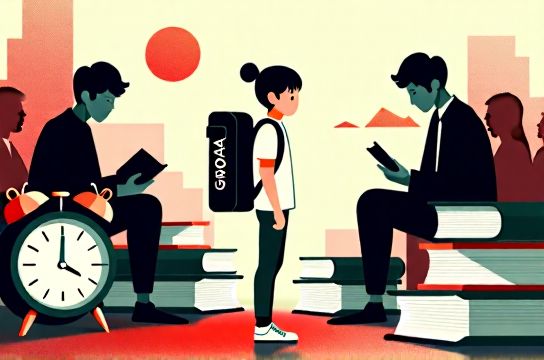
Let’s talk numbers. According to a 2023 survey by China Youth Daily, over 78% of college students report feeling ‘extreme stress’ during their final academic years. And it doesn’t stop there—once they enter the job market, nearly 65% feel overwhelmed by workplace competition, with average workweeks stretching beyond 48 hours (National Bureau of Statistics, 2023).
The gaokao, China’s national college entrance exam, often sets the tone. It’s not just an exam; it’s a rite of passage that can define a young person’s trajectory. A score isn’t just a number—it’s a destiny-maker. But here’s the twist: even top scorers aren’t immune to anxiety. In fact, a study from Peking University found that high-achieving students are 1.5x more likely to experience depression due to sustained performance pressure.
The Pressure Pipeline: From Classroom to Cubicle
We’ve mapped out the key stages of this pressure pipeline:
| Life Stage | Primary Pressure Source | Average Stress Level (1-10) | Common Coping Mechanism |
|---|---|---|---|
| Middle School | Academic ranking & parental expectations | 7.2 | Private tutoring (82% participate) |
| High School (Gaokao prep) | Exam performance & future uncertainty | 8.9 | All-night studying (avg. 6.3 hrs/night sleep) |
| University | Internship competition & GPA obsession | 7.8 | Social media comparison (WeChat, Xiaohongshu) |
| Early Career (Ages 22–28) | Job insecurity & 'involution' culture | 8.1 | Side hustles (57% have at least one) |
This cycle fuels what sociologists call ‘involution’—a term that’s gone viral among Chinese youth. It describes working harder without real progress, like running on a treadmill that only goes faster. The result? Identity confusion. Who am I outside my resume? Am I valuable if I’m not productive?
But there’s hope. A growing movement of self-redefinition is bubbling up. More young people are embracing ‘tang ping’ (lying flat) or ‘slow life’ philosophies—not as laziness, but as resistance. They’re trading overtime for mental health, chasing passion projects, and redefining success beyond salary and status.
In cities like Chengdu and Hangzhou, co-living spaces and creative collectives are sprouting, offering safe zones for identity exploration. One such community, ‘NeoYouth Hub,’ reports a 200% membership increase since 2022, with members citing ‘emotional freedom’ as their main draw.
The bottom line? Pressure shapes identity—but it doesn’t have to own it. As Chinese youth navigate the tightrope between duty and desire, they’re not just surviving the system. They’re slowly rewriting it.