
From Hanfu Revival to C-pop Fandom: Expressing Identity Through Subcultures
- Date:
- Views:269
- Source:The Silk Road Echo
In recent years, a cultural renaissance has swept across China's youth—blending ancient aesthetics with modern beats. From bustling streets draped in flowing Hanfu robes to concert arenas pulsing with C-pop anthems, young people are reclaiming identity through vibrant subcultures. This isn’t just fashion or fandom—it’s self-expression with historical soul.
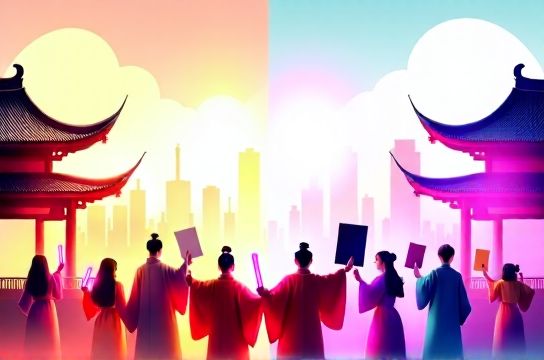
The Hanfu Movement: More Than Just Clothes
The Hanfu revival began as a niche heritage project but has exploded into a nationwide trend. Worn by students, office workers, and influencers alike, these traditional garments symbolize pride in Chinese roots. According to iMedia Research, the Hanfu market surpassed ¥10 billion (about $1.4B) in 2023, with over 6 million dedicated wearers—mostly under 30.
| Year | Hanfu Consumers (Million) | Market Value (¥ Billion) |
|---|---|---|
| 2020 | 3.5 | 6.9 |
| 2021 | 4.1 | 8.2 |
| 2022 | 5.0 | 9.1 |
| 2023 | 6.2 | 10.3 |
Beyond aesthetics, Hanfu events now dot city calendars—from Chengdu’s grand parades to Xi’an’s temple photo shoots. It’s not about living in the past; it’s wearing history like a second skin.
C-pop Fandom: The Soundtrack of Belonging
While Hanfu connects to tradition, C-pop (Chinese pop) links youth to the global moment. Artists like Jackson Wang, G.E.M., and Lay Zhang blend Mandarin lyrics with hip-hop, rock, and EDM, creating sonic bridges between East and West.
Fandoms aren’t just fans—they’re digital tribes. On platforms like Weibo and Bilibili, millions rally behind idols, organizing donation drives, birthday billboards, and charity streams. In 2023, one top idol’s fan club donated over ¥2 million to rural education—all coordinated online.
When Tradition Meets Trend
The magic happens where Hanfu meets C-pop. Think music videos shot in Ming-style gardens, or idols performing in silk robes fused with streetwear. These crossovers aren’t gimmicks—they reflect a generation crafting identity on their own terms.
For many, embracing Hanfu isn’t rejecting modernity; it’s enriching it. And C-pop? It’s more than entertainment—it’s emotional currency.
Why This Matters
These subcultures offer belonging in an age of anxiety. They let young Chinese say: I honor my ancestors, I love my culture, and I’m still totally myself. In a world of rapid change, that kind of authenticity is revolutionary.