
Green Is the New Red: Environmental Awareness Among China’s Youth
- Date:
- Views:256
- Source:The Silk Road Echo
Forget red carpets—today's Chinese youth are walking the green mile. From TikTok eco-challenges to university-led carbon neutrality pledges, sustainability isn’t just a trend; it’s a movement. And it’s growing faster than anyone expected.
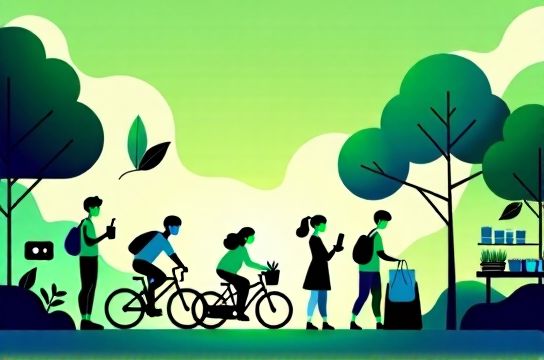
A 2023 survey by Greenpeace East Asia found that 78% of Chinese millennials and Gen Z consider climate change a serious threat—up from just 52% in 2018. Even more telling? Over 65% actively change their daily habits to reduce environmental impact. That’s not just awareness—it’s action.
Take Shanghai’s ‘Zero-Waste Cafes’—cute, Instagrammable spots where bamboo straws and compostable takeout boxes are standard. These cafes aren’t niche anymore. In 2024, there are over 320 such establishments in Shanghai alone, a 300% increase since 2020.
But what’s really driving this shift? It’s not just guilt or global pressure. It’s digital culture meeting real-world urgency. Platforms like Xiaohongshu (China’s answer to Pinterest/Instagram) are flooded with hashtags like #低碳生活 (#LowCarbonLife) and #环保青年 (#EcoYouth), amassing billions of views. Young influencers share everything from DIY upcycling projects to public transport hacks—making green living not just doable, but desirable.
Schools are also stepping up. Tsinghua University recently launched a student-run ‘Carbon Neutrality Lab,’ while high schools in Guangdong now include sustainability modules in required curricula. The government’s 2060 carbon neutrality goal is no longer just policy—it’s personal.
By the Numbers: Youth Eco-Behaviors in China
| Behavior | Youth Adoption Rate (Gen Z & Millennials) | Primary Motivation |
|---|---|---|
| Regularly using reusable bags/bottles | 76% | Reduce plastic waste |
| Choosing plant-based meals at least weekly | 54% | Lower carbon footprint |
| Using public transit or bike-sharing apps | 68% | Cut emissions + save money |
| Participating in community cleanups | 39% | Local impact + social connection |
This isn’t performative activism. It’s a quiet revolution—one shaped by QR codes, shared bikes, and viral videos. And businesses are noticing. Alibaba reported a 200% surge in sales of eco-friendly products tagged ‘green lifestyle’ from 2021 to 2023, with users aged 18–30 making up 70% of purchases.
Still, challenges remain. Greenwashing is rampant, and access to sustainable options varies widely between urban and rural areas. But the momentum is undeniable. As one 22-year-old Beijing student put it: “We don’t want to inherit a broken planet. We want to fix it—style included.”
Green isn’t just the new red. For China’s youth, it’s the only color that matters.