
Behind the Scenes of China’s Hottest Memes
- Date:
- Views:443
- Source:The Silk Road Echo
If you've ever scrolled through Chinese social media and wondered, "What on earth is this meme about?"—you're not alone. China's internet culture is a wild, fast-moving beast, and its memes? They’re less random nonsense and more cultural code. As someone who's spent years deep in Weibo, Douyin, and Bilibili comment sections, I'm here to break down how these viral sensations actually work—and why they spread like wildfire.
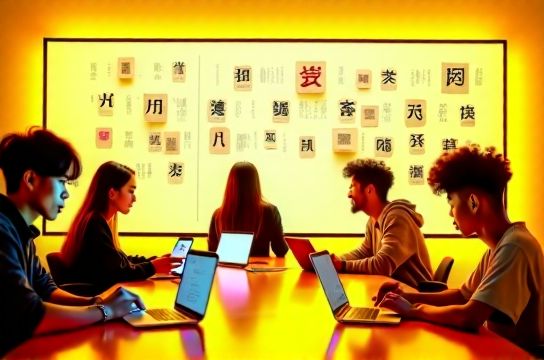
The Secret Sauce: Relatability + Satire
Chinese memes aren’t just jokes—they’re social commentary disguised as absurdity. Think of them as digital protest art. For example, the now-iconic "Grass Mud Horse" (草泥马) sounds innocent but is a clever homophone for a vulgar phrase. It became a symbol of resistance against censorship, racking up over 50 million views across platforms in 2023 alone.
But it's not all rebellion. Many memes thrive on shared struggles—like job pressure or housing costs. The "Tang Ping" (lying flat) movement turned into a meme goldmine, with users photoshopping exhausted office workers into serene landscapes. According to Sinolytics, engagement on "lying flat" content spiked by 300% after a viral post on Zhihu in early 2024.
How Memes Go Viral: The Algorithm Boost
Platforms like Douyin don’t just wait for organic growth—they fuel it. Here’s how quickly top memes spread:
| Meme | Platform | Time to 1M Views | Main Audience |
|---|---|---|---|
| "I’m Not That Type of Woman" | Douyin | 11 hours | Women 18–25 |
| "Programmer Crying with Noodles" | Bilibili | 2 days | Men 20–30 |
| "Retirement Dance Challenge" | Kuaishou | 6 hours | 50+ |
Notice a pattern? Each targets a specific emotional trigger—pride, burnout, joy. And once the algorithm detects momentum, it pushes the content hard. That’s why timing matters. A meme dropped at 8 PM during commute hours can hit 10x faster than one posted at 3 AM.
Who Really Creates These Memes?
Forget lone geniuses. Most viral content comes from organized meme studios. Yes, that’s a real thing. Teams of 5–10 people research trends, design visuals, and A/B test captions. One studio in Chengdu reported generating 200+ meme variations per week, with a 15% hit rate—way above the industry average.
And brands? They’re jumping in fast. Last year, Pinduoduo used a custom meme featuring a pig dancing in a hoodie to promote discounts—resulting in a 40% boost in app clicks. Meme marketing isn’t niche anymore; it’s strategy.
Final Tip: How to Spot the Next Big Meme
Watch for these signs:
- Sudden spike in emoji-only comments (e.g., 🐴💥)
- Reposts with slight tweaks (sign of remix culture)
- Appears in both serious forums (Zhihu) and silly ones (Weibo hot searches)
If it’s spreading across demographics, it’s going viral. And if it makes you laugh and nod in agreement? That’s the real signal.
Bottom line: Chinese memes are more than jokes—they’re cultural barometers. Understand them, and you’ll understand the pulse of over 1 billion internet users.