
How Chinese Youth Shape Digital Culture Online
- Date:
- Views:315
- Source:The Silk Road Echo
If you think TikTok dances and viral memes are just random internet noise, think again. The truth? Chinese youth are quietly rewriting the rules of digital culture — and their influence stretches far beyond WeChat moments. Born between 1995 and 2010, this generation (often called Gen Z in China) isn’t just consuming content — they’re creating it, shaping trends, and driving tech innovation at a pace that leaves marketers scrambling.
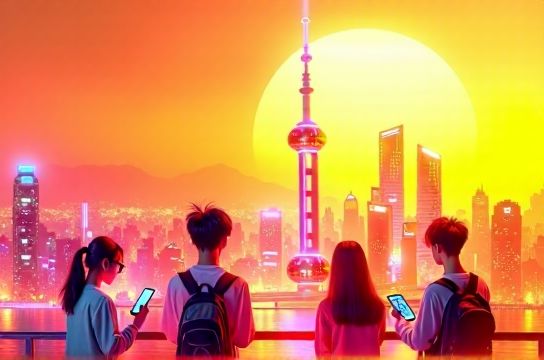
The Rise of China’s Digital-Native Generation
With over 200 million young users actively engaging on platforms like Douyin (China’s version of TikTok), Bilibili, and Xiaohongshu, Chinese youth aren’t just online — they’re leading the conversation. According to CNNIC (China Internet Network Information Center), 98.6% of urban youth aged 18–25 use smartphones daily, spending an average of 3.7 hours per day on social apps.
But what makes them different? Unlike older generations, they value authenticity over polish. A 2023 report by QuestMobile found that 74% of young users prefer "real-life" UGC (user-generated content) over branded ads. This shift has forced brands to rethink strategies — going from flashy campaigns to community-driven storytelling.
Key Platforms Shaping Youth Expression
Let’s break down where the action happens:
| Platform | Primary User Age | Monthly Active Users (2024) | Cultural Impact |
|---|---|---|---|
| Douyin | 18–24 | 780M | Trendsetting music, fashion, dance |
| Bilibili | 15–27 | 340M | Anime, gaming, niche communities |
| Xiaohongshu (Little Red Book) | 18–30 | 260M | Lifestyle, beauty, travel reviews |
These platforms aren’t just apps — they’re cultural labs. For example, Bilibili’s annual "Bilbili World" event sold out in minutes, showing how deeply fans connect with digital identity. Meanwhile, Chinese youth expression on Xiaohongshu has turned obscure indie brands into overnight sensations through honest reviews.
From Consumers to Creators: The New Economy
This generation doesn’t just follow trends — they monetize them. Over 15 million young creators earn income via live streaming, affiliate marketing, or virtual gifts. On Douyin alone, creator-led sales hit ¥1.2 trillion ($168B USD) in 2023.
Take “Luo Luo,” a 22-year-old from Chengdu who started posting DIY fashion hacks. Within a year, she built a six-figure business selling upcycled clothes — all driven by fan demand. Her story isn’t rare; it’s becoming the norm.
Why Global Brands Can’t Ignore This Shift
If you're targeting Asia or launching digital products, understanding digital youth culture in China is no longer optional. These users set global trends — from skincare routines (hello, “glass skin”) to music genres like Guochao pop. Their preferences shape algorithms, influence AI training data, and even impact urban design through virtual-real hybrid events.
In short: where Chinese youth go, the digital world follows.