
Local Perspective China on Pet Ownership as Social Signal
- Date:
- Views:249
- Source:The Silk Road Echo
In recent years, owning a pet in China has evolved from a simple hobby into a subtle social statement. It's no longer just about cuddles and cuteness—your furry friend might actually be saying more about your lifestyle than you think. From bustling cities like Beijing and Shanghai to smaller urban centers, pets have become a symbol of modernity, emotional well-being, and even economic status.
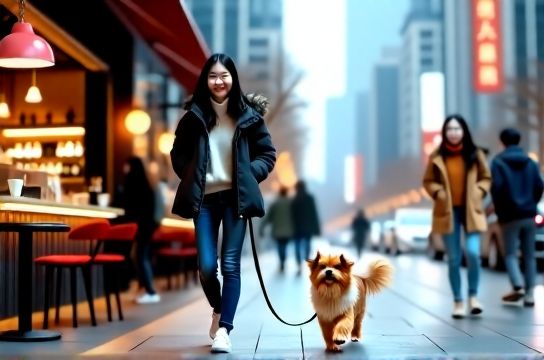
Data shows that China’s pet market reached over 400 billion RMB ($56 billion USD) in 2023, with dog and cat ownership exceeding 120 million households. But beyond the numbers, what does it really mean to own a pet in today’s Chinese society?
The Rise of the “Pet Parent” Identity
Gone are the days when pets were seen as mere guards or pest controllers. Now, they’re family members—with Instagram-worthy wardrobes, organic diets, and even birthday parties. This shift reflects deeper cultural changes: rising disposable incomes, delayed marriages, and an aging population seeking companionship.
Especially among millennials and Gen Z, being a pet owner signals emotional maturity, responsibility, and a balanced life. In fact, a 2023 survey by Alibaba’s Tmall found that 68% of young urban professionals believe owning a pet makes someone more attractive as a partner.
Pets as Lifestyle Markers
Walk into any high-end residential complex in Shanghai, and you’ll likely spot a French bulldog on a designer leash. Certain breeds have become status symbols—Poodles for elegance, British Shorthairs for calm sophistication, and rare exotic cats fetching up to 30,000 RMB at premium breeders.
But it’s not just about the animal—it’s about the ecosystem around them. Monthly spending can include:
| Expense Category | Avg. Monthly Cost (RMB) |
|---|---|
| High-quality food | 300–600 |
| Veterinary care | 200–500 |
| Grooming & spa | 150–400 |
| Toys & accessories | 100–300 |
| Pet insurance | 50–200 |
Total? Easily over 1,000 RMB per month—a significant investment that quietly broadcasts financial stability.
Social Media & The “Petfluencer” Boom
Platforms like Xiaohongshu (Little Red Book) and Douyin are flooded with pet content. Accounts with cute cats or stylish dogs can amass millions of followers—and lucrative brand deals. These “petfluencers” aren’t just entertainers; they shape trends in pet fashion, travel, and even housing preferences.
Some pet owners now choose apartments based on pet-friendly policies, and cafes with outdoor patios where dogs can hang out. In this new social economy, your pet isn’t just a companion—they’re part of your personal brand.
Cultural Nuances & Regional Differences
While pet ownership is booming in Tier-1 cities, attitudes vary widely elsewhere. In some rural areas or older communities, pets are still viewed with suspicion or considered unhygienic. However, younger generations are steadily changing these perceptions through education and shared online experiences.
Final Thoughts
In modern China, owning a pet is more than a personal choice—it’s a quiet declaration of identity. Whether it’s showing emotional depth, financial comfort, or simply keeping up with urban trends, your pet speaks volumes before you even say a word.
So next time you see someone strolling their mini-poodle in a pastel sweater, remember: it’s not just a walk. It’s a lifestyle broadcast.