
Chinese Society Explained by Young Migrants in Megacities
- Date:
- Views:217
- Source:The Silk Road Echo
If you want to really understand modern China, don’t look at the Politburo. Look at the 20-something migrant worker scrolling TikTok on a Shanghai subway after a 12-hour shift. That’s where the real story is.
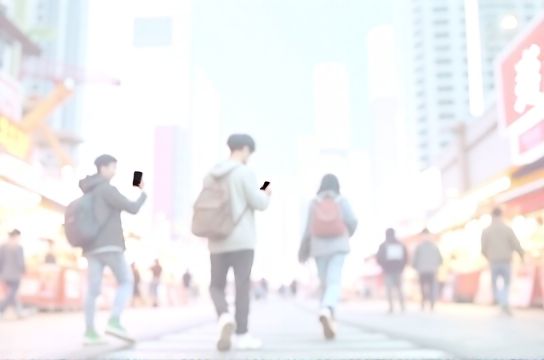
Every year, over 170 million young people move from rural villages and small towns to megacities like Beijing, Shenzhen, and Hangzhou. They’re not just chasing jobs—they’re chasing identity, freedom, and a shot at the Chinese Dream. But what they find isn’t always what they expected.
These young migrants are reshaping urban culture, redefining social norms, and quietly challenging the status quo. From cramped dorm-style apartments to late-night bubble tea runs, their lives are a mix of hustle, hope, and heartbreak.
The Cost of City Life: By the Numbers
Renting a tiny studio in Shenzhen? That’ll cost you around ¥4,500/month. Average salary for entry-level jobs? Just ¥8,000. No wonder 62% of young migrants share housing with strangers.
| City | Avg. Rent (1-bedroom) | Avg. Monthly Salary | Rent-to-Income Ratio |
|---|---|---|---|
| Beijing | ¥6,200 | ¥9,800 | 63% |
| Shanghai | ¥5,900 | ¥9,500 | 62% |
| Shenzhen | ¥4,500 | ¥8,000 | 56% |
| Hangzhou | ¥3,800 | ¥7,500 | 51% |
As one 26-year-old tech worker in Guangzhou put it: “I’m not poor, but I’m not middle class either. I’m stuck in the hustle zone.”
Dreams vs. Reality: The Emotional Toll
It’s not just about money. It’s about belonging. Over 70% of young migrants say they feel socially isolated, even in crowded cities. Hukou restrictions still block access to public schools, healthcare, and even marriage registration in some cases.
“Back home, I was nobody,” says Mei Lin, a 24-year-old designer from Hunan. “Here, I’m also nobody—but at least I can breathe.”
This emotional duality defines their experience: freedom from village expectations, but loneliness in anonymous skyscrapers.
Culture Shifters: How Migrants Are Changing Cities
They’re not just adapting—they’re innovating. From DIY co-living spaces to underground poetry slams, young migrants are building subcultures that blend tradition and rebellion.
- Food Trucks: Sichuan spicy crayfish meets Korean tacos—migrant chefs are reinventing street food.
- Social Media: Douyin (China’s TikTok) is flooded with ‘day in the life’ videos showing dorm rooms, bike commutes, and cheap eats.
- Work Ethic: The ‘996’ grind (9am–9pm, 6 days/week) may be criticized, but many embrace it—not out of loyalty, but necessity.
What This Means for China’s Future
These young people aren’t just workers—they’re cultural translators. They bring rural values into urban centers, creating a hybrid identity that’s neither fully traditional nor completely modern.
And here’s the kicker: if China wants innovation, creativity, and long-term growth, it needs to listen to them. Not as statistics, but as storytellers.
So next time you hear about China’s economy or politics, remember: the real pulse beats in the hearts of those riding the midnight bus home, dreaming in Mandarin and dialect, surviving on instant noodles and ambition.