
Understanding Chinese Society Explained Through Fashion
- Date:
- Views:282
- Source:The Silk Road Echo
When you think of fashion, you might picture Paris runways or New York street style. But if you really want to see how culture, history, and modern identity collide, take a closer look at China. From the flowing robes of ancient dynasties to today’s booming guochao (国潮) movement, Chinese fashion isn’t just about clothes—it’s a mirror reflecting society’s soul.
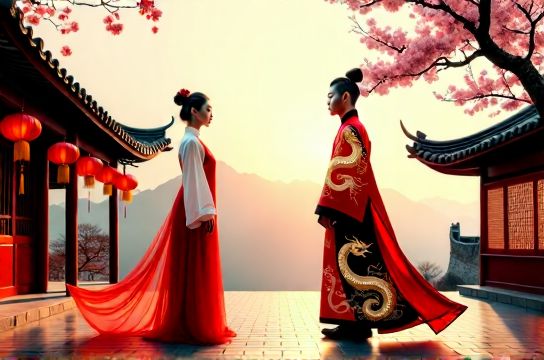
The Threads of History: How Tradition Shapes Modern Style
China’s fashion story starts over 5,000 years ago. Back then, clothing wasn’t just practical—it showed rank, region, and philosophy. Take the hanfu, for example. This elegant, wide-sleeved robe was worn during the Han Dynasty and symbolized harmony with nature and Confucian values. Fast forward to the 20th century, and the qipao (or cheongsam) emerged—a sleek, body-hugging dress that blended Manchu roots with 1920s Shanghai glamour.
But here’s the twist: fashion in China has always been political. During the Mao era, everyone wore simple zhongshan zhuang (Mao suits). Uniformity was safety. Now? The opposite. Young Chinese are reclaiming hanfu, not just as fashion, but as cultural pride.
Guochao: When National Pride Meets Streetwear
Enter guochao—literally “national trend.” It’s not just a style; it’s a youth-led revolution. Brands like Li-Ning, Peacebird, and Boyun are fusing traditional motifs with urban edge. Think dragon embroidery on sneakers or calligraphy prints on hoodies.
And it’s working. In 2023, the guochao market hit $78 billion in sales, growing at 15% annually. Why? Because Gen Z isn’t just buying clothes—they’re buying identity.
| Year | Guochao Market Value (USD) | YoY Growth |
|---|---|---|
| 2020 | $45 billion | 12% |
| 2021 | $56 billion | 13% |
| 2022 | $67 billion | 14% |
| 2023 | $78 billion | 15% |
Social Media: The Catwalk of the Masses
No fashion wave rides without social media. On platforms like Xiaohongshu (Little Red Book) and Douyin (TikTok), users post #hanfuchallenge videos or review local designer drops. One viral post can make a brand overnight. In fact, 68% of Chinese consumers say they’ve bought fashion items after seeing them on social media.
East Meets West: A Delicate Balance
Western brands aren’t sitting still. Gucci and Dior now launch China-exclusive collections with lunar motifs. But missteps happen. When a certain luxury brand released a skirt resembling the traditional horse-face skirt (mamianqun) without credit, outrage flooded Weibo. Netizens weren’t mad about inspiration—they were mad about erasure.
The message? Respect the roots. As one blogger put it: “We love global fashion, but don’t tokenize our culture.”
The Future is Woven with Pride
Today’s Chinese fashion scene is more than trends—it’s a renaissance. It’s rural teens wearing hanfu to school, tech bros rocking silk bomber jackets, and designers quoting ancient poetry in their show notes.
Fashion here isn’t just fabric. It’s memory. It’s resistance. It’s hope.
So next time you see a qipao or a hanfu silhouette, don’t just see a dress. See a story—centuries deep, boldly worn, and still being written.