
Social Phenomena China Tracking the Second-Tier City Boom
- Date:
- Views:224
- Source:The Silk Road Echo
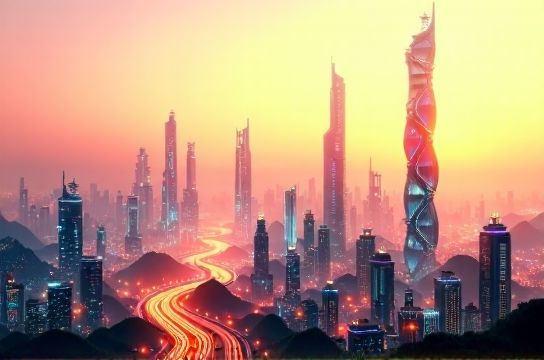
Move over, Beijing and Shanghai — there’s a new urban revolution heating up in China, and it’s happening in the second-tier cities. From Chengdu to Hangzhou, Xi’an to Wuhan, these rising stars are rewriting the rules of economic growth, lifestyle appeal, and digital innovation. Forget the overcrowded subways and sky-high rents of Tier-1 hubs; young professionals, tech startups, and even multinational firms are now turning their eyes — and investments — toward China’s fast-emerging second-tier powerhouses.
Why the Shift? It’s All About Balance
China’s top-tier cities have long been the dream destinations for job seekers and entrepreneurs. But with living costs soaring past affordability and work-life balance becoming a distant memory, people are asking: Is the hustle worth it?
Enter the second-tier cities — offering 80% of the opportunity at half the pressure. These urban centers blend modern infrastructure with cultural charm, strong government support with booming tech ecosystems. According to the 2023 China City Innovation Index, Hangzhou and Chengdu ranked #3 and #4 in startup funding growth, surpassing even Shenzhen in year-over-year investment velocity.
The Rise of the New Urban Elite
Let’s break it down with some hard numbers. The following table highlights key performance indicators across selected second-tier cities:
| City | GDP Growth (2023) | Startup Funding (USD, 2023) | Average Rent (1BR, Monthly) | Talent Inflow Rate |
|---|---|---|---|---|
| Chengdu | 6.8% | $2.1B | $520 | +14.3% |
| Hangzhou | 7.1% | $2.9B | $680 | +16.7% |
| Wuhan | 5.9% | $1.3B | $410 | +11.2% |
| Xi’an | 6.3% | $980M | $390 | +13.5% |
Source: National Bureau of Statistics & Zero2IPO Research
What’s driving this talent migration? Simple: value. Cities like Chengdu offer vibrant food scenes and relaxed lifestyles, while Hangzhou — home to Alibaba — is a digital powerhouse attracting AI and e-commerce ventures. Meanwhile, Wuhan’s universities feed a growing tech workforce, and Xi’an leverages its historical prestige to boost tourism and creative industries.
Government Fuel, Private Sector Fire
Behind the scenes, local governments are rolling out red carpets. Talent subsidies, tax breaks, and subsidized housing are common incentives. For example, Xi’an offers up to $15,000 in relocation grants for STEM graduates, while Chengdu has created dedicated innovation zones with 5G-ready infrastructure.
This public-private synergy is paying off. In 2023, second-tier cities accounted for over 45% of new tech firm registrations nationwide — a sharp rise from just 30% five years ago.
Lifestyle Wins Over Legacy
Let’s be real: not everyone wants to live in a glass tower jungle. Second-tier cities deliver culture without chaos. Imagine sipping craft coffee in a bamboo forest teahouse in Chengdu, or biking along West Lake in Hangzhou as the sun sets. These aren’t vacation dreams — they’re daily realities.
Social media reflects this shift. On platforms like Xiaohongshu (China’s Instagram), hashtags like #LifeInChengdu and #HangzhouVibes have collectively racked up over 8 billion views — proof that younger generations are redefining urban success.
The Road Ahead
The second-tier boom isn’t a flash in the pan. It’s a structural shift driven by smarter urban planning, digital equity, and changing values. As high-speed rail networks shrink travel time between cities, geographic advantage matters less than quality of life and opportunity density.
For investors, entrepreneurs, and digital nomads alike, the message is clear: The future of urban China isn’t just in the giants — it’s in the rising challengers.