
Chinese Society Explained Through Intergenerational Conflicts
- Date:
- Views:246
- Source:The Silk Road Echo
If you've ever sat through a family dinner in China where Grandma insists you eat more meat while your cousin talks about quitting his corporate job to become a digital nomad, then congratulations—you've witnessed the heartbeat of modern Chinese society: intergenerational conflict.
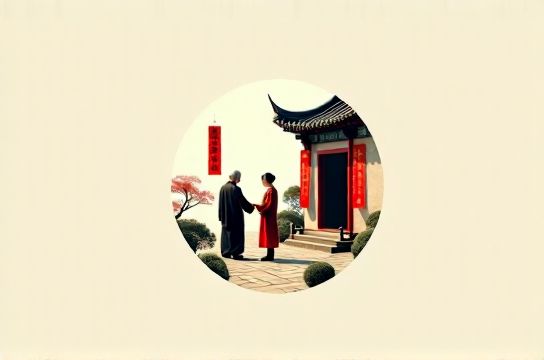
These clashes aren’t just about food or career choices. They reflect deeper shifts in values, economics, and identity. As China races into the future, its generations are pulling in different directions—one rooted in tradition, the other chasing individualism.
The Roots: Why the Gap Exists
Born between 1949 and 1970s, the older generation lived through famine, political upheaval, and economic scarcity. Stability wasn't a luxury—it was survival. So when they tell their kids to 'get a government job' or 'marry before 30,' it's not control; it's trauma disguised as advice.
Meanwhile, millennials and Gen Z grew up during China’s economic boom. With smartphones in hand and global culture at their fingertips, they prioritize self-expression, mental health, and work-life balance—values that often clash with parental expectations.
Key Areas of Conflict
- Marriage & Relationships: The term "sheng nü" (leftover women) still haunts single women over 27. Yet, marriage rates have dropped by 40% since 2013 (Ministry of Civil Affairs, 2023).
- Career Paths: State jobs once ruled supreme. Now, 68% of young urban professionals consider freelance or remote work (Pew Research, 2022).
- Parenting Styles: From tiger moms to 'let-them-breathe' parenting, the debate is real—and heated.
Data Speaks: Generational Divide at a Glance
| Issue | Older Generation (50+) | Younger Generation (18–35) |
|---|---|---|
| Top Life Goal | Financial Security (76%) | Personal Fulfillment (63%) |
| Acceptance of Singles | 32% | 81% |
| Desire for Children | 90% | 44% |
| Trust in Government Jobs | 85% | 39% |
Sources: National Bureau of Statistics (2023), Tencent Youth Research Center
The Silent Shift: Urban vs. Rural Realities
In cities like Shanghai or Shenzhen, these conflicts play out in therapy sessions and Weibo rants. But in rural areas, filial duty still holds strong. Over 60% of elderly parents live with their children, especially in provinces like Henan and Sichuan.
Yet even there, change brews. Young migrants leave villages for cities, sending money home but rarely returning—a new form of love that feels like abandonment to elders.
Is Reconciliation Possible?
Yes—but it takes effort. More families are using 'third spaces': neutral ground like cafes or travel trips to talk openly. Some companies even offer 'family counseling' as an employee benefit.
Social media also helps. Platforms like Xiaohongshu see hashtags like #UnderstandingMyParents gain traction, showing a growing desire for empathy, not rebellion.
Final Thoughts
Intergenerational tension in China isn’t a sign of breakdown—it’s proof of progress. As old values meet new dreams, the friction sparks conversation, growth, and eventually, evolution.
So next time Mom nags you about marriage, maybe don’t argue. Just say, 'I hear you.' Then gently add, 'But here’s what I need.'