
Inside Chinese Society Explained The Education Pressure Cooker
- Date:
- Views:209
- Source:The Silk Road Echo
If you've ever wondered why Chinese students study like their lives depend on it, welcome to the real story behind China's education pressure cooker. It's not just about books and exams—it's a full-blown societal engine fueled by expectations, competition, and the one-shot dream of upward mobility.
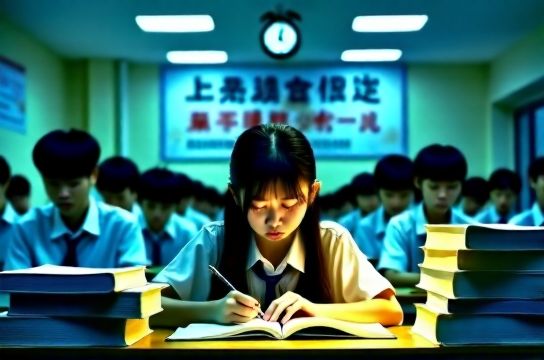
In China, education isn’t just school—it’s destiny. From the moment kids enter primary school, they’re on a high-stakes track leading to the gaokao, the national college entrance exam. Think of it as the Super Bowl, March Madness, and the Oscars rolled into one three-day test. Fail? Your future shrinks. Pass with flying colors? You might just unlock a top-tier university—and with it, social status, job offers, and family pride.
Let’s break it down with some real numbers:
China’s Gaokao at a Glance (2023 Data)
| Statistic | Data |
|---|---|
| Total Gaokao Takers | 12.91 million |
| Top 1% Scorers | ~129,000 students |
| Admission Rate to Elite "Double First-Class" Universities | ~5.2% |
| Average Daily Study Hours (Senior High) | 10–14 hours |
| Students Reporting High Stress Levels | 78% (Peking University Survey) |
Now, imagine being 17 years old and knowing that one test determines whether you get into Fudan or end up at a local vocational school. No second chances. No curveballs allowed. This is the reality for millions.
The pressure starts early. By middle school, many students attend after-school tutoring—often called “cram schools”—spending more time in academic hustle than free play. In 2021, China cracked down on private tutoring with the "Double Reduction Policy" to ease student burdens. But here’s the twist: demand didn’t drop. Instead, tutoring went underground—into apartments, Zoom rooms, and whispered referrals.
Why So Much Pressure?
It’s simple: education equals opportunity. In a country of 1.4 billion, standing out is hard. A degree from Tsinghua or Peking University doesn’t just mean a good job—it opens doors to elite networks, government roles, and even marriage prospects. Families invest everything: time, money, emotional energy. One study found that urban parents spend up to 30% of household income on education.
And let’s talk about the emotional toll. Teen suicide rates in China are among the highest globally, with academic stress cited as a leading factor. Yet, the system persists because, for many, it still works. Social mobility through meritocracy—real or perceived—keeps the machine running.
Is Change Coming?
Possibly. The government is experimenting with reforms: reducing exam weight, promoting vocational training, and encouraging holistic development. But cultural mindset runs deep. As one Shanghai mom put it: "We don’t push our kids because we’re cruel—we push them because we love them. We want them to have choices we never did."
So, what’s the takeaway? The Chinese education system isn’t broken—it’s designed this way. It’s a pressure cooker, yes, but one that produces engineers, innovators, and disciplined minds at scale. The challenge now? Balancing excellence with well-being.