
Social Phenomena China Understanding the Gig Economy Shift
- Date:
- Views:299
- Source:The Silk Road Echo
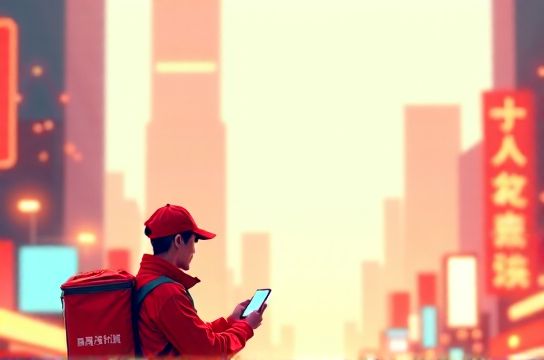
In recent years, China's gig economy has exploded like a firecracker during Spring Festival—loud, fast, and impossible to ignore. From food delivery riders weaving through city traffic to freelance designers selling services on digital platforms, millions are swapping traditional 9-to-5 jobs for flexible, app-driven work. But what’s really driving this shift? And what does it mean for workers, businesses, and society?
The Rise of the Gig Workforce
China’s gig economy isn’t just growing—it’s booming. According to the Chinese Academy of Social Sciences, over 200 million people were engaged in gig or flexible employment by 2023. That’s roughly 1 in 7 working adults! Platforms like Meituan, Elema, and Didi have become household names, connecting service providers with consumers at lightning speed.
Why the surge? Simple: flexibility. Younger generations, especially Millennials and Gen Z, value autonomy over job security. They’d rather set their own hours than punch a clock. Plus, urbanization and smartphone penetration have made on-demand work more accessible than ever.
Gig Jobs vs. Traditional Employment: The Trade-Offs
So, is gig work all sunshine and rainbows? Not quite. While it offers freedom, it often lacks benefits like health insurance, pensions, or paid leave. Let’s break it down:
| Factor | Traditional Job | Gig Work |
|---|---|---|
| Work Hours | Fixed (e.g., 9–5) | Flexible |
| Income Stability | High | Variable |
| Social Benefits | Yes (insurance, pension) | Rarely |
| Job Security | Strong | Low |
| Autonomy | Moderate | High |
As you can see, gig work wins on autonomy but falls short on stability. Many gig workers report stress from income fluctuations and long hours just to make ends meet.
Platform Power and Worker Pushback
The real power lies with the platforms. Algorithms dictate pay, routes, and even job availability. A Meituan rider might earn ¥8–15 per delivery, but after bike maintenance and phone costs, take-home pay shrinks fast. In 2021, a viral article titled “Who Feeds the Food Delivery Gods?” exposed how riders were forced to risk safety to meet tight deadlines.
Public outcry led to changes. Some companies now offer limited accident insurance and allow riders to reject orders without penalties. But true labor protections? Still a work in progress.
What’s Next for China’s Gig Economy?
The future is uncertain but full of potential. Experts predict tighter regulations to protect gig workers, possibly including minimum wage guarantees and portable benefits. Meanwhile, AI and automation could reshape the landscape—imagine drones replacing delivery riders!
One thing’s clear: the gig economy isn’t a passing trend. It’s a fundamental shift in how people work, live, and survive in modern China. Whether it becomes a force for empowerment or exploitation depends on policy, technology, and public awareness.
So next time you order dumplings via Meituan, remember: behind that quick delivery is a complex web of hustle, hope, and human cost.