
Street Food Revival in Chinese Metropolises
- Date:
- Views:264
- Source:The Silk Road Echo
Once pushed to the margins by urban crackdowns, street food is making a bold comeback across China’s biggest cities — and it’s tastier than ever. From sizzling skewers in Chengdu to steaming xiaolongbao in Shanghai, local governments are now embracing mobile vendors as cultural icons and economic boosters. This isn’t just about hunger; it’s a full-blown culinary renaissance.
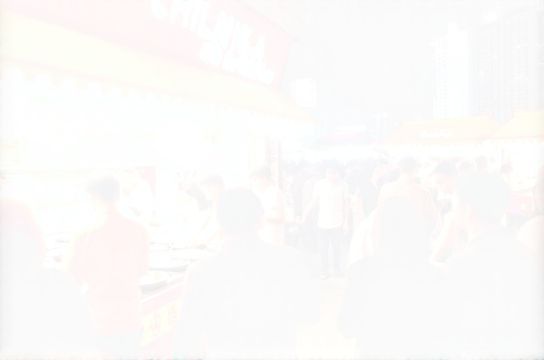
The Comeback Trail: How Cities Are Reinventing Street Food
Gone are the days when street vendors had to dodge city inspectors. In 2023, Beijing launched its ‘Night Light Economy’ initiative, designating over 80 legal vending zones. Shanghai followed with ‘Fan Le Hui’ (Fun Markets), turning vacant lots into gourmet playgrounds. Even tech-forward Shenzhen rolled out QR-coded vendor licenses, blending tradition with digital oversight.
Why the shift? Data tells the story:
| City | Vending Zones (2023) | Estimated Vendor Income Growth | Night Market Foot Traffic |
|---|---|---|---|
| Beijing | 82 | +37% | 1.2M monthly |
| Shanghai | 65 | +41% | 1.8M monthly |
| Chengdu | 90 | +52% | 2.3M monthly |
| Guangzhou | 73 | +39% | 1.5M monthly |
As the table shows, Chengdu leads the pack — not surprising, given Sichuan’s deep-rooted snacking culture. But it’s not just locals flocking to these stalls. A 2024 survey by Trip.com found that 68% of foreign tourists rank street food as their top culinary experience in China.
Taste the Trend: Must-Try Bites in 2024
- Chengdu: Try dan dan mian from Auntie Li’s cart near Jinli Road — $0.80 a bowl, flavor worth ten times that.
- Xi’an: The Muslim Quarter’s roujiamo (Chinese burger) stands see lines 30 deep by 7 PM. Crispy, spicy, unforgettable.
- Shanghai: Hunt down jianbing masters in Xintiandi — thin crepes crackled to perfection with egg, chili, and hoisin.
These aren’t just snacks — they’re edible history. And thanks to Instagrammable packaging and hygiene upgrades (yes, many now use gloves and digital payments), even cautious eaters are diving in.
Behind the Scenes: Policy Meets Palate
The revival isn’t accidental. Municipal planners realized street food drives foot traffic, supports gig workers, and preserves heritage. In Nanjing, vendors must pass a ‘Flavor + Hygiene’ certification, ensuring authenticity without risk.
Still, challenges remain. Rent for prime vending spots has spiked, pricing out some legacy vendors. And while apps like Meituan deliver noodles to doorsteps, nothing replaces the theater of watching your scallion pancake slapped on a hot griddle at midnight.
In the end, this revival isn’t just about taste — it’s about soul. As one Shenyang vendor put it: “We don’t just sell food. We sell warmth after a long day.”
So next time you’re in China, skip the mall food court. Follow the smoke, the sizzle, the laughter. The streets are serving up the real deal.