
Cultural Identity of Chinese Diaspora Youth
- Date:
- Views:274
- Source:The Silk Road Echo
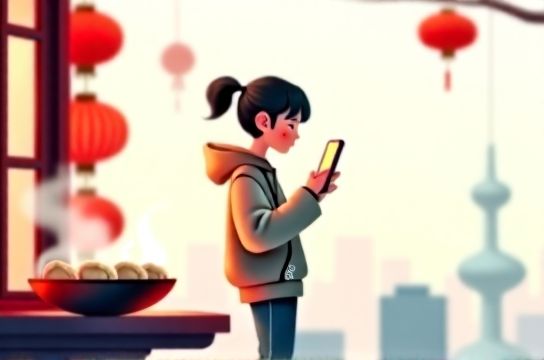
For young people growing up in the Chinese diaspora, identity isn’t just about where you’re from — it’s a daily balancing act between heritage and home. Whether they’re second-generation Canadians, British-born teens, or Australian students with roots in Guangdong or Sichuan, these youth navigate a world where dumplings at Sunday family lunch clash with slang-filled school hallways.
A 2023 study by the University of Toronto found that 68% of Chinese diaspora youth feel strongly connected to Chinese culture, yet only 41% are fluent in Mandarin. This gap reveals a deeper truth: cultural identity today is less about language and more about values, food, festivals, and family expectations.
The Push and Pull of Dual Worlds
Many describe their experience as living “two lives.” At home, respect for elders, academic excellence, and modesty rule. Outside, individualism, self-expression, and casual confidence dominate. This duality can spark tension — especially during adolescence.
Take Emma, 19, raised in London: “My parents wanted me to be a doctor. I love art. We fought for years. Now? I’m studying graphic design with a minor in Mandarin. It’s my compromise.” Her story echoes across communities — a blend of negotiation, pride, and slow reconciliation.
Where Culture Lives On
So where does Chinese culture thrive among diaspora youth? Not always in language schools, but in subtle, powerful ways:
- Food: Over 89% regularly eat traditional meals at home (Lunar New Year dumplings, mooncakes, congee).
- Festivals: Community events like dragon dances and Mid-Autumn celebrations draw thousands.
- Digital Spaces: Platforms like Xiaohongshu (Little Red Book) and Bilibili help youth explore fashion, music, and memes rooted in Chinese culture.
Data Snapshot: Cultural Connection by Country
| Country | Youth Identifying Strongly with Chinese Culture (%) | Mandarin Fluency (%) | Attend Cultural Events Regularly (%) |
|---|---|---|---|
| Canada | 72 | 45 | 63 |
| United States | 65 | 38 | 57 |
| Australia | 70 | 42 | 68 |
| United Kingdom | 61 | 35 | 52 |
Sources: National Youth Surveys (2022–2023), Migration & Identity Research Consortium
Reclaiming Identity on Their Terms
Today’s diaspora youth aren’t choosing between Chinese or Western — they’re remixing both. Think: bilingual rap artists like Bohan Phoenix, viral TikTok dancers blending hanfu with streetwear, or activists advocating for both Asian representation and social justice.
Schools and communities play a role too. Dual-language programs, inclusive curricula, and intergenerational storytelling projects are helping bridge the gap. In Vancouver, a youth-led podcast called “Two-Eyed Seeing” shares personal stories of cultural fusion — racking up over 200,000 listens.
In the end, being Chinese abroad isn’t about perfection — it’s about presence. You don’t need flawless tones to feel the weight of your grandmother’s lullabies. You don’t need to ace calculus to honor the grind your parents endured. Identity isn’t all or nothing. It’s the late-night WeChat calls, the red envelope reflex, the quiet pride in saying: I’m from somewhere, and I belong here too.