
Smartphone Dependency Among Chinese Teens
- Date:
- Views:413
- Source:The Silk Road Echo
In today’s hyper-connected world, smartphone dependency among Chinese teens has become a cultural phenomenon—and a growing concern. From scrolling TikTok (known locally as Douyin) to messaging on WeChat or grinding through online classes, smartphones are no longer just tools; they’re lifelines. But how deep does this digital attachment go? Let’s dive into the numbers, behaviors, and real-life impacts shaping this generation.
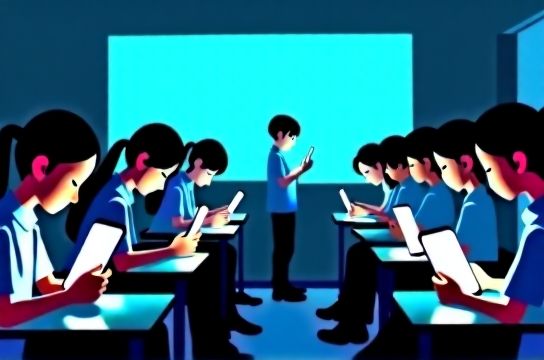
The Digital Dilemma: Just How Attached Are They?
Recent studies show that over 95% of urban Chinese teenagers own a smartphone by age 14. According to a 2023 survey by China Youth Daily, teens spend an average of 4.7 hours daily on their devices—outside of school-related activities. That’s more time than many spend on homework or face-to-face conversations.
Data Doesn’t Lie: A Snapshot of Teen Usage
Here’s a breakdown of daily smartphone use among Chinese teens aged 13–18:
| Activity | Avg. Time/Day | Most Used App(s) |
|---|---|---|
| Social Media | 2.1 hours | Douyin, Xiaohongshu, WeChat Moments |
| Gaming | 1.2 hours | Honor of Kings, Genshin Impact |
| Online Learning | 1.0 hour | Douban Study Groups, Tencent Class |
| Messaging & Calls | 0.8 hours | WeChat, QQ |
As you can see, social media dominates screen time. Platforms like Xiaohongshu (Little Red Book) blend lifestyle content with peer validation, creating addictive feedback loops. Meanwhile, games like Honor of Kings aren’t just entertainment—they’re social hubs where friendships form and status is earned.
Why the Deep Dive Into Screens?
It’s not just about fun. For many Chinese teens, smartphones offer escape. With intense academic pressure—from gaokao prep to after-school tutoring apps like Zuoyebang—phones serve as emotional outlets. A 2022 study from Peking University found that 68% of teens admit using their phones to cope with stress or loneliness.
But there’s a flip side: sleep disruption, declining attention spans, and even what experts call “phantom vibration syndrome”—feeling your phone buzz when it hasn’t.
Parental Controls vs. Digital Rebellion
Many parents have tried to set limits. Some schools even enforce “phone-free zones,” requiring students to lock devices in timed boxes during class. Yet, resistance is real. Over 40% of teens surveyed admitted to bypassing parental controls using secondary accounts or night-time usage.
The truth? Banning isn’t working. Instead, experts recommend digital literacy education—teaching teens not to avoid phones, but to use them wisely.
What Can Be Done?
- Schools: Integrate screen-time awareness into health curricula.
- Parents: Model healthy habits—put your own phone down!
- Teens: Try app timers, digital detox weekends, or “no-phone” challenges with friends.
Balance is key. Smartphones aren’t evil—they connect, educate, and entertain. But like any powerful tool, they require mindful use.
So next time you see a teen glued to their screen, don’t judge. Instead, spark a conversation. Ask what they’re watching, who they’re chatting with, and whether they feel in control. Because awareness? That’s the first step toward change.