
Education Competition in Chinese Schools
- Date:
- Views:412
- Source:The Silk Road Echo
In China, the education system isn’t just about learning—it’s a full-on battlefield. From first grade to senior year, students are locked in a relentless race for academic excellence. If you’ve ever wondered why Chinese students dominate international test rankings, the answer lies in one word: competition.
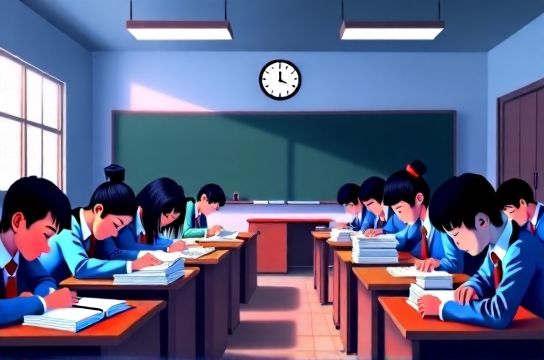
The Pressure Cooker Environment
Imagine waking up at 6 a.m., studying before school, enduring seven hours of classes, then hitting the books again until midnight. That’s the daily grind for millions of Chinese students. According to a 2023 OECD report, Chinese teens spend an average of 13.5 hours per day on academic activities—nearly double the global average.
This pressure starts early. By age 8, many kids attend after-school ‘cram schools’ (known as buxiban) to prep for high-stakes exams like the zhongkao (middle school exit exam) and the ultimate gauntlet—the gaokao, or national college entrance exam.
Why Gaokao Rules Everything
The gaokao is no ordinary test. It’s a two-day marathon covering Chinese, Math, English, and either Sciences or Humanities. Your score doesn’t just determine which university you get into—it can shape your career, income, and social status for life.
Consider this: top-tier universities like Tsinghua and Peking University accept less than 1% of applicants. With over 12 million students taking the exam annually, the odds are steeper than climbing Everest in flip-flops.
Regional Disparities & Quotas
It’s not just about smarts—it’s also about where you’re born. The gaokao uses regional quotas, meaning students in competitive provinces like Henan or Shandong face much higher cutoffs than those in Beijing or Shanghai.
| Province | 2023 Gaokao Top Score (out of 750) | Top University Admission Cutoff |
|---|---|---|
| Beijing | 710 | 660 |
| Henan | 720 | 690 |
| Sichuan | 705 | 675 |
| Guangdong | 700 | 670 |
As you can see, even with near-perfect scores, students from high-population provinces need almost flawless results to stand a chance.
The Human Cost
All this comes at a price. A 2022 study by Peking University found that over 40% of high schoolers show symptoms of anxiety or depression linked to academic stress. Some schools even install suicide prevention nets on dorm windows—a grim reminder of the emotional toll.
Is Change Coming?
Yes—but slowly. The government has launched reforms to reduce homework loads and ban private tutoring (remember the 2021 ‘Double Reduction’ policy?). Yet, parental demand for edge keeps the shadow education market alive.
Final Thoughts
Chinese education isn’t just tough—it’s engineered for excellence through extreme competition. While it produces world-class STEM talent, it also raises urgent questions about balance, mental health, and equity. For anyone trying to understand China’s rise, look no further than the silent war waged in classrooms every single day.