
Workplace Culture in Chinese Companies
- Date:
- Views:349
- Source:The Silk Road Echo
If you've ever worked in or with a Chinese company, you know it's not just about 9-to-5—it's a full-on cultural experience. From hierarchy to harmony, hustle to harmony (yes, twice—because it matters that much), the workplace culture in Chinese companies is both fascinating and intense.
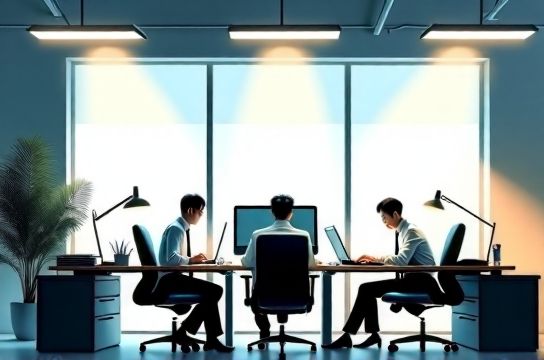
The Core Pillars: Guanxi, Hierarchy, and Hard Work
Three words define the DNA of most Chinese workplaces: guanxi (relationships), hierarchy, and hard work. Unlike Western offices where flat structures are trendy, Chinese firms often embrace clear chains of command. Seniority isn’t just respected—it’s expected.
A 2023 survey by McKinsey China found that 78% of employees in mid-to-large enterprises consider "respect for leadership" a top workplace value—compared to just 43% in U.S. counterparts.
Work Hours? Welcome to the 996 Era
You’ve heard of 9-to-5? In many tech giants like Alibaba or Tencent, it’s more like 9 am to 9 pm, 6 days a week—aka the infamous "996" schedule. While officially discouraged since 2021, elements persist, especially during product launches or fiscal year-ends.
But don’t panic. A growing number of younger workers are pushing back. According to Zhaopin’s 2024 report, 62% of Gen Z employees prioritize work-life balance over high salaries—a shift that’s slowly reshaping corporate norms.
Team Harmony Over Individual Shine
In China, teamwork isn’t just encouraged—it’s essential. Public disagreement or overt self-promotion? Big no-nos. Decisions are often made collectively, and saving face—yours and your boss’s—is crucial.
This collectivist mindset boosts group cohesion but can stifle innovation if not balanced. A PwC study showed that only 34% of Chinese employees feel comfortable challenging their managers’ ideas—versus 68% in Nordic countries.
So, How Does a Typical Office Day Look?
Let’s break it down with a real-world example from a Shanghai-based tech firm:
| Time | Activity | Cultural Insight |
|---|---|---|
| 8:30 AM | Arrival & tea prep | Early arrival = respect |
| 9:00 AM | Team stand-up (led by manager) | Top-down communication |
| 12:00 PM | Lunch (often together) | Bonding = stronger guanxi |
| 2:00 PM | Project meetings | Consensus-driven decisions |
| 7:00 PM | Dinner (with clients or team) | Relationship building after hours |
| 9:00 PM | Optional overtime | Dedication on display |
Notice how meals double as relationship tools? That’s guanxi in action.
Language & Communication Style
Directness? Not really the norm. Feedback is often indirect to avoid conflict. Saying "maybe" or "we’ll see" usually means "no." And emails? They’re formal, packed with honorifics—even between coworkers.
Pro tip: Learn basic Mandarin phrases. Even "Nǐ hǎo" and "Xièxie" go a long way in building trust.
The Future: Balancing Tradition and Change
With millennials and Gen Z entering leadership roles, we’re seeing a cultural pivot. Flexible hours, mental health awareness, and open feedback channels are gaining traction—especially in foreign-invested firms and startups.
Still, tradition holds strong. As one Beijing HR manager put it: "We adapt, but we don’t erase. Respect, effort, and loyalty still open doors here."
So whether you're an expat joining a state-owned enterprise or a local navigating corporate life, understanding these unwritten rules isn’t just helpful—it’s career gold.