
Consumer Behavior in Chinese Megacities
- Date:
- Views:275
- Source:The Silk Road Echo
In the bustling streets of Beijing, Shanghai, Guangzhou, and Shenzhen, a consumer revolution is quietly unfolding. Chinese megacity dwellers aren’t just buying more—they’re buying smarter, faster, and with greater purpose. Understanding consumer behavior in Chinese megacities isn’t just about tracking spending habits; it’s about decoding a cultural shift driven by digital fluency, rising incomes, and evolving lifestyles.
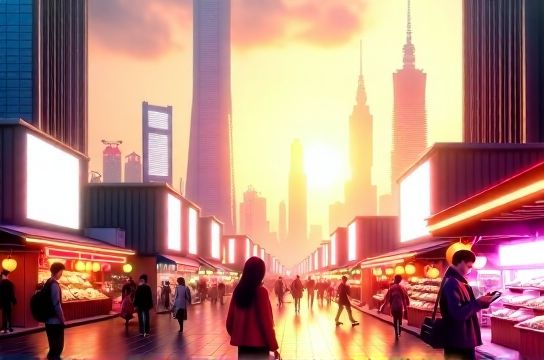
Gone are the days when luxury meant status. Today’s urban Chinese consumer—especially Gen Z and Millennials—values experience over ownership, sustainability over excess, and personalization over prestige. A 2023 McKinsey report reveals that over 68% of urban consumers in Tier-1 cities prefer brands that align with their personal values, such as environmental responsibility and social equity.
Digital platforms dominate purchasing decisions. Over 95% of consumers in these cities use mobile payments daily, and live-stream shopping has become a weekend ritual. Platforms like Douyin (TikTok) and Xiaohongshu (Little Red Book) don’t just influence trends—they create them overnight. In fact, live commerce sales in China reached $489 billion in 2023, with megacities accounting for nearly 60% of that volume.
Key Drivers of Urban Consumer Behavior
- Digital Integration: From ordering breakfast via WeChat to renting bikes with Alipay, life runs on apps.
- Time Poverty: With long commutes and high-pressure jobs, convenience is king.
- Social Currency: Sharing purchases online is part of identity expression.
- Health & Wellness Focus: Organic food, fitness tech, and mental health apps are surging.
Spending Trends Across Major Cities (2023)
| City | Avg. Monthly Spend (RMB) | Top Spending Category | e-Commerce Penetration |
|---|---|---|---|
| Shanghai | 8,900 | Luxury Goods | 92% |
| Beijing | 8,500 | Educational Services | 90% |
| Shenzhen | 9,200 | Tech Gadgets | 94% |
| Guangzhou | 7,800 | Fashion & Apparel | 88% |
As shown above, each megacity has its own flavor. Shenzhen leads in tech adoption, while Beijing prioritizes self-improvement. Shanghai remains the fashion and luxury hub, but with a growing appetite for sustainable brands. Meanwhile, Guangzhou blends tradition with trendiness, especially in streetwear and local design.
One surprising insight? Despite high incomes, value-consciousness is rising. Flash sales, membership discounts, and second-hand marketplaces like Xianyu are booming. Over 45% of Shanghai residents surveyed said they’ve bought pre-owned luxury items in the past year—a sign of shifting attitudes toward ownership.
The Role of Social Commerce
Forget traditional ads. In Chinese megacities, trust comes from peers. KOCs (Key Opinion Consumers)—real users sharing honest reviews—often have more sway than celebrity influencers. On Xiaohongshu, a single viral post can send a small skincare brand’s sales soaring by 300% in a week.
Brands that win here don’t just sell products—they build communities. Nike, for example, hosts virtual running clubs in Shanghai. Starbucks launched ‘digital baristas’ in Beijing to personalize orders via AI. These aren’t gimmicks; they’re essential strategies for staying relevant.
In short, consumer behavior in Chinese megacities is dynamic, digitally driven, and deeply personal. For global brands, success means adapting fast, listening closely, and engaging authentically. The future of consumption isn’t just in China—it’s being reinvented in its biggest cities, one smartphone tap at a time.