
The Changing Face of Chinese Families
- Date:
- Views:237
- Source:The Silk Road Echo
In recent decades, the traditional image of a big, multi-generational Chinese family has been quietly reshaping itself. Urbanization, economic growth, and shifting social values are all driving forces behind this transformation. Today’s Chinese families look—and live—very differently than they did just a generation ago.
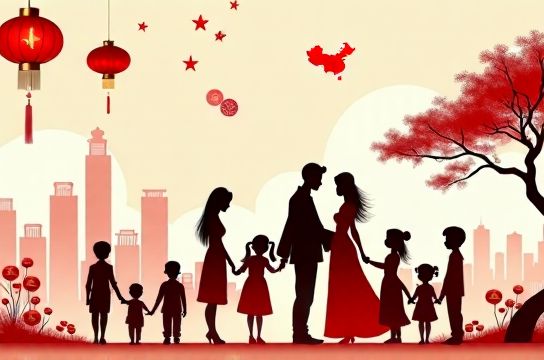
The Rise of the Nuclear Family
Gone are the days when three or more generations lived under one roof. According to China’s Seventh National Population Census (2020), the average household size dropped to just 2.62 people, down from 3.1 in 2010. This shrinking trend reflects the rise of nuclear families—parents and one child—as the new norm, especially in cities.
Why the change? Well, skyrocketing housing costs in major cities like Beijing and Shanghai make larger households less practical. Plus, younger generations value privacy and independence more than their grandparents did.
One-Child Policy Aftermath
You can’t talk about modern Chinese families without mentioning the One-Child Policy, which was in effect from 1979 to 2015. Though relaxed in recent years, its impact lingers. Over 180 million only children grew up bearing the full weight of parental expectations—and future caregiving responsibilities.
This has created what sociologists call the “4-2-1 problem”: one child supporting two parents and four grandparents. It’s not just emotionally taxing—it’s financially intense.
Marriage and Fertility Trends
Another major shift? Fewer people are getting married—and having babies. In 2023, China recorded only 6.8 million births, a sharp drop from over 17 million in the 1990s. Meanwhile, the marriage rate has been falling for nine straight years.
Young adults, especially women, are prioritizing careers and personal freedom. The idea of settling down early is losing its appeal. Add in high childcare costs and work pressure, and it’s no surprise that many opt out.
Changing Gender Roles
Women are now more educated and economically independent than ever. Over 50% of university graduates in China are female. As a result, traditional gender roles are being challenged. More couples share household duties, and dual-income homes are becoming standard.
Data Snapshot: Family Trends in China (2020–2023)
| Indicator | 2020 | 2023 |
|---|---|---|
| Average Household Size | 2.62 | ~2.6 |
| Annual Births (millions) | 12.0 | 6.8 |
| Marriage Registrations (millions) | 8.6 | 6.1 |
| Female University Graduates (%) | 51.2% | 53.0% |
What’s Next?
The Chinese family isn’t disappearing—it’s evolving. With the government promoting pro-natal policies and flexible work models, there’s hope for balance. But real change starts with mindset shifts: valuing quality of life, redefining success, and embracing diverse family forms—from single-parent homes to child-free couples.
The face of family in China is changing, and it’s more complex, modern, and human than ever.