
Sleep Deprivation and Hustle Culture in China
- Date:
- Views:366
- Source:The Silk Road Echo
In today’s fast-paced China, pulling all-nighters isn’t just common—it’s glorified. From tech startups to college campuses, the hustle culture has turned sleep deprivation into a badge of honor. But at what cost? Let’s dive into the real story behind China’s 24/7 grind.
The Rise of Hustle Culture
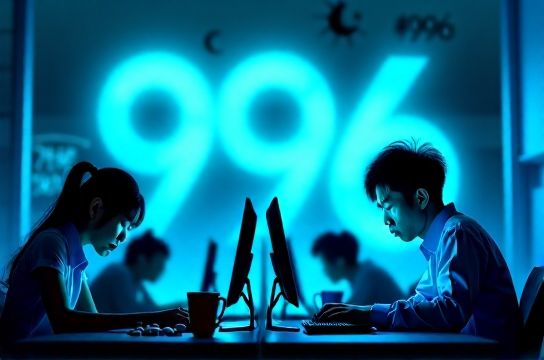
Known as neijuan (内卷), or 'involution,' the relentless competition in work and education pushes millions to sacrifice sleep. Employees in cities like Beijing and Shenzhen often work 996 schedules—9 AM to 9 PM, 6 days a week. That’s 72 hours weekly, nearly double the global average.
A 2023 survey by the Chinese Sleep Research Society found that over 60% of adults get less than 7 hours of sleep per night, well below the WHO’s recommended 7–9 hours. Among young professionals, 35% reported sleeping only 5–6 hours due to work pressure.
Sleep vs. Success: The Harsh Trade-Off
Many believe burning the midnight oil equals productivity. But science says otherwise. Chronic sleep loss impairs cognitive function, weakens immunity, and increases risks of heart disease and depression.
Consider this: employees averaging 6 hours of sleep perform cognitively like those with a 0.06% blood alcohol level—close to the legal driving limit. Yet, in China’s hustle-driven mindset, showing up tired is seen as dedication.
Data Doesn’t Lie: The Sleep Gap
Check out the numbers:
| Age Group | Avg. Sleep (hrs/night) | Main Cause of Sleep Loss |
|---|---|---|
| 18–25 | 6.2 | Academic pressure, social media |
| 26–35 | 6.0 | 996 work culture |
| 36–50 | 6.8 | Family + job stress |
| 51+ | 7.1 | Natural aging, health issues |
Source: China Sleep Quality Report 2023
Corporate Pressure & Social Expectations
In many companies, leaving the office before your boss is frowned upon. Overtime isn’t just expected—it’s quietly required for promotions. This unspoken rule fuels presenteeism, where employees stay late not to work, but to be seen.
Meanwhile, social media amplifies the myth of the ‘self-made hustler.’ Influencers post gym selfies at 5 AM and coding sessions at midnight, making it seem normal. But behind the scenes? Burnout, anxiety, and ER visits are on the rise.
Is Change Coming?
There’s hope. In 2021, China officially labeled the 996 schedule as illegal. Courts have since ruled against companies enforcing it. Younger workers are pushing back, with terms like ‘lying flat’ (tang ping) gaining traction—a quiet rebellion promoting work-life balance.
Some forward-thinking firms now offer nap rooms and flexible hours. Alibaba and Tencent have scaled back mandatory overtime. Still, cultural change takes time.
What You Can Do
- Set boundaries: Log off after work. Your health > hustle.
- Prioritize sleep hygiene: No screens 1 hour before bed.
- Challenge norms: Normalize leaving on time. Be the change.
Sleep isn’t laziness—it’s fuel. And in the long run, sustainable energy beats short-term grind any day.