
Fast Fashion and Waste in Chinese Consumer Culture
- Date:
- Views:247
- Source:The Silk Road Echo
In the blink of an eye, China has transformed into a global fashion powerhouse. With platforms like Taobao, JD.com, and social media giants such as Xiaohongshu and Douyin fueling trends at lightning speed, fast fashion isn’t just popular—it’s addictive. But behind the glamor of ultra-cheap clothes and viral styles lies a dirty secret: mountains of textile waste and a culture struggling to keep up with sustainability.
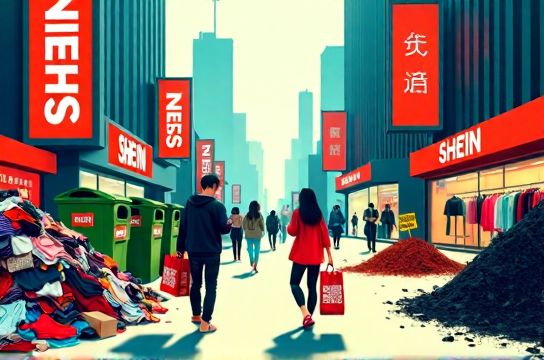
Let’s talk numbers. According to the China Textile Industry Federation, the average Chinese consumer bought around 28 garments in 2023—up from just 15 a decade ago. Yet, nearly 70% of these clothes are discarded within a year. Shocking? You bet. Even more alarming: China generates over 20 million tons of textile waste annually, and less than 15% gets recycled.
Why is this happening? Simple: fast fashion = instant gratification. Brands like SHEIN, Urban Revivo, and Uniqlo (yes, even the 'minimalist' ones) thrive on rapid production cycles. Some SHEIN items go from design to online listing in under 7 days—with prices starting at just $2. It’s fashion on fast-forward, and consumers are binge-buying like it’s Netflix.
But here’s the twist: awareness is rising. A 2023 McKinsey report found that 62% of urban Chinese millennials now consider sustainability when shopping. Thrifting, clothing swaps, and resale apps like Plum and Feidao are gaining traction. Still, convenience often wins. Recycling bins for textiles? Rare. Clear eco-labels? Almost nonexistent.
Check out this snapshot of fast fashion’s impact:
| Metric | Value | Source |
|---|---|---|
| Avg. garments purchased per person/year | 28 | China Textile Industry Federation, 2023 |
| Annual textile waste generated | 20+ million tons | National Bureau of Statistics |
| Recycling rate of textiles | <15% | Greenpeace East Asia |
| SHEIN delivery time (design to sale) | 7 days avg. | Reuters Investigation |
| Consumers considering sustainability | 62% (millennials) | McKinsey & Company |
So what’s the solution? It starts with mindset. We need to shift from "wear once, post, dump" to valuing quality over quantity. Support local sustainable brands like Particle Fever or Exception de Mixmind. Embrace slow fashion. And hey—try mending that ripped hem instead of trashing it.
The future of fashion in China doesn’t have to be wasteful. With smarter choices and systemic change, we can keep looking good without costing the Earth.