
Social Credit System Myths vs Reality China
- Date:
- Views:451
- Source:The Silk Road Echo
China’s Social Credit System (SCS) has become one of the most misunderstood topics in global media. From dystopian sci-fi portrayals to exaggerated claims of mass surveillance, the truth is far more nuanced. Let’s cut through the noise and explore what the SCS really is — and isn’t.
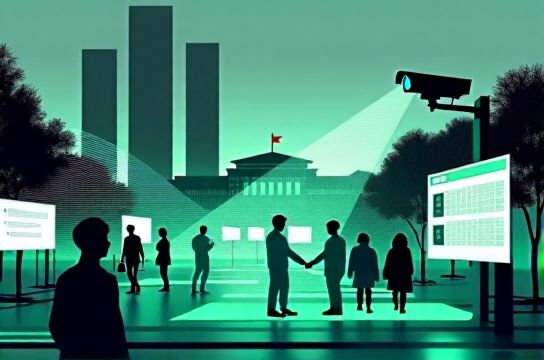
Myth #1: Everyone in China Gets a Score
Here’s a big one: No, not every Chinese citizen has a personal social credit score. Despite popular belief, the central government hasn’t rolled out a nationwide individual scoring system. Instead, the SCS is a broad framework made up of local pilot programs, corporate evaluations, and financial credit systems.
Some cities like Rongcheng have experimented with citizen points, but these are limited in scope and impact. Think of it more like a community rewards program than a Black Mirror episode.
Myth #2: Bad Behavior Gets You Banned from Travel
You’ve probably heard stories about people being banned from flights for jaywalking. There’s a kernel of truth here — but context matters.
The National Development and Reform Commission (NDRC) reports that over 20 million travel restrictions were imposed by 2023 — but these mostly targeted individuals with court orders for unpaid debts, fraud, or legal violations, not minor infractions.
| Year | Travel Bans Issued | Main Reasons |
|---|---|---|
| 2020 | 4.5 million | Debt default, court evasion |
| 2021 | 6.2 million | Legal non-compliance |
| 2022 | 5.8 million | Corporate fraud, judicial evasion |
| 2023 | 3.7 million | Debt, administrative violations |
So yes, some people are restricted — but they’re usually those who broke laws or ignored court rulings, not folks with low “karma” scores.
Reality: It’s Mostly About Businesses
Surprise! The real focus of the SCS is corporate accountability. Over 90% of the system’s enforcement targets companies, not individuals. The government uses it to track tax compliance, product safety, environmental records, and labor practices.
For example, businesses with poor records may be barred from government contracts or public bidding. In 2022, more than 1.3 million companies were listed on the “Serious Dishonesty” blacklist.
Myth #3: It’s All Controlled by AI and Facial Recognition
Hollywood loves this angle — a giant AI watching your every move. Reality? Much less flashy. While tech plays a role, the SCS relies heavily on existing data: court records, tax filings, business licenses, and regulatory inspections.
Facial recognition is used in public security, but it’s not directly tied to social credit scoring. Integration exists in some pilot zones, but it’s not nationwide or fully automated.
What Are the Real Benefits?
Despite the hype, the SCS does have practical goals:
- Reduce fraud and counterfeit goods
- Improve tax compliance
- Encourage honest business practices
- Streamline regulatory oversight
In cities with mature systems, trust in local markets has improved. A 2022 survey found that 68% of residents in pilot areas felt safer buying food products due to traceability and vendor ratings.
Final Thoughts: Less ‘Black Mirror,’ More Bureaucracy
The Social Credit System isn’t a single, all-seeing algorithm. It’s a patchwork of policies aimed at improving trust in a rapidly growing economy. While privacy concerns are valid, the reality is far from the invasive, real-time monitoring often portrayed.
Understanding the difference between myth and reality helps us have more informed conversations — without leaning on fear or fiction.