
Workplace Culture in China What Foreigners Miss
- Date:
- Views:260
- Source:The Silk Road Echo
If you're a foreigner stepping into a Chinese office, buckle up. The work culture here isn’t just different—it’s a whole new language, even if everyone’s speaking English. From unspoken hierarchies to after-work karaoke sessions, there’s way more beneath the surface than meets the eye.
The Hidden Rules of Guanxi (关系)
Forget everything you know about networking. In China, guanxi—personal connections—is the invisible currency of success. It’s not who you know, it’s how deeply you’re connected. A 2023 survey by McKinsey China found that 78% of business deals are influenced by personal relationships, not just contracts.
Foreigners often miss this because they focus on efficiency and transparency. But in China, trust is built over dinner, not spreadsheets. Skipping that late-night hotpot with your team? Big mistake. That’s where real bonding happens.
Meetings: Where Silence Speaks Volumes
In Western offices, silence in a meeting means disengagement. In China? It’s respect. Junior staff rarely speak unless invited—challenging your boss publicly is career suicide. Decision-making is top-down, and harmony (he) trumps debate.
Here’s a quick comparison:
| Aspect | Western Workplace | Chinese Workplace |
|---|---|---|
| Decision-Making | Collaborative | Top-Down |
| Feedback Style | Direct | Indirect |
| Hierarchy | Flat | Steep |
| Work-Life Balance | Prioritized | Neglected (996 common) |
The 996 Work Ethic: Burnout or Badge of Honor?
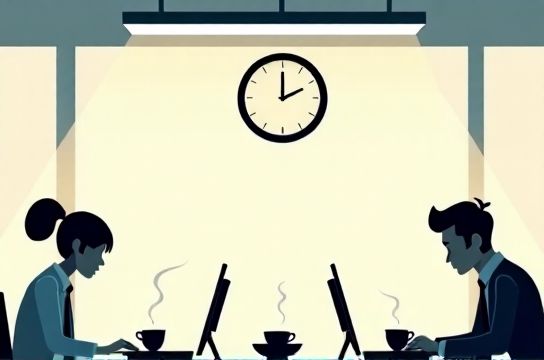
You’ve heard of 9-to-5? Try 9 AM to 9 PM, 6 days a week. Known as 996, this grueling schedule is still common in tech firms like Alibaba and Huawei. While officially discouraged, it persists as a cultural expectation—especially for newcomers proving their loyalty.
A 2022 report from Zhaopin, China’s largest job site, showed that 43% of urban professionals work overtime regularly. For foreigners used to PTO and mental health days, this can be shocking. But push back too hard, and you risk being labeled ‘not team-oriented.’
Face Matters More Than Facts
Mianzi (face) is everything. Criticizing someone publicly? You’re not being honest—you’re being rude. Even bad news is delivered through layers of soft language. A manager might say, ‘We’ll consider your idea,’ which actually means ‘No way.’
Foreigners often misinterpret this as lack of clarity. But it’s about preserving dignity. Learn to read between the lines. If your proposal gets a lukewarm ‘maybe,’ it’s likely dead.
Karaoke Is a Job Interview
After-work gatherings aren’t optional. They’re performance reviews in disguise. Singing a heartfelt Mandarin ballad? That’s showing emotional commitment. Sitting quietly with your soda? You’re seen as distant—or worse, arrogant.
These events build tuán duì jīngshén (team spirit). Refusing invites repeatedly damages your guanxi. One expat in Shanghai admitted: ‘I learned more about office politics during karaoke than in six months of meetings.’
Tips for Thriving
- Build guanxi slowly: Share meals, exchange small gifts, remember birthdays.
- Respect hierarchy: Address seniors properly (e.g., Manager Li, Director Wang).
- Embrace indirect feedback: ‘This could be improved’ = ‘This is terrible.’
- Show up—even when tired: Presence matters more than productivity sometimes.
China’s workplace isn’t broken—it’s different. Adapt, don’t judge. Master the silent rules, and you won’t just survive. You’ll belong.