
The Decline of Traditional Values in Chinese Homes
- Date:
- Views:334
- Source:The Silk Road Echo
In recent years, the heartbeat of Chinese family life has been changing—slower, softer, and sometimes out of rhythm with the past. Gone are the days when multi-generational households were the norm, where elders commanded respect at the dinner table and children bowed to ancestral customs. Today’s Chinese homes tell a different story: one shaped by urbanization, digital overload, and shifting priorities.
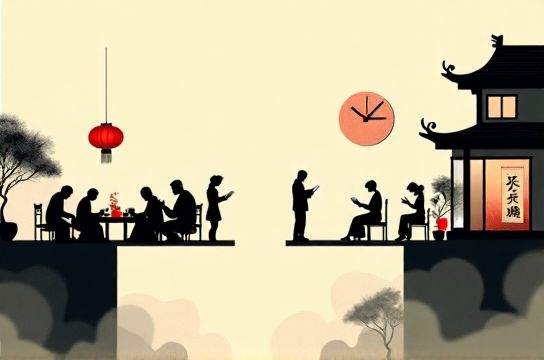
According to a 2023 National Bureau of Statistics report, only 18% of urban families now live in multi-generational setups, down from 42% in 1990. That’s not just a statistic—it’s a cultural earthquake. As young professionals flock to megacities like Beijing and Shenzhen, the traditional Confucian ideal of filial piety (孝道) is getting squeezed between rent payments and 9-to-9 workweeks.
Let’s break it down with some real data:
| Year | Multi-Generational Households (%) | Average Family Size | Elderly Living Alone (%) |
|---|---|---|---|
| 1990 | 42% | 3.8 | 12% |
| 2000 | 35% | 3.2 | 16% |
| 2010 | 26% | 2.9 | 19% |
| 2023 | 18% | 2.5 | 24% |
See that trend? It’s not just about space—it’s about values. When Grandma isn’t around to serve mooncakes during Mid-Autumn Festival, who passes down the recipe? When Dad’s too busy climbing the corporate ladder to attend ancestor worship ceremonies, what happens to tradition?
Social media isn’t helping. A 2022 Peking University study found that 67% of Gen Z respondents admitted they “rarely or never” discuss family history with older relatives. Instead, their attention is glued to Douyin (China’s TikTok), where viral dances replace generational storytelling.
But here’s the twist: it’s not all doom and gloom. Many modern families are reinventing tradition, not abandoning it. Take the rise of ‘digital filial piety’—kids sending red envelopes via WeChat, or scheduling Zoom calls for Lunar New Year reunions. It’s different, sure, but still meaningful.
And let’s not forget education. While respect for authority may be waning at home, it’s thriving in schools. Over 80% of parents still prioritize academic excellence, a value deeply rooted in Confucian thought. So maybe the core hasn’t vanished—it’s just relocated.
The truth? Tradition isn’t dying. It’s adapting. Like bamboo in the wind, Chinese family values are bending, not breaking. The challenge now is to find balance: honoring the past without being chained to it, embracing progress without losing soul.
If you’re part of this new wave of Chinese family life, ask yourself: What traditions matter to you? Can you eat dumplings with chopsticks while scrolling on your phone? Absolutely. The future of Chinese homes isn’t about perfection—it’s about presence.