
Exam Culture and Mental Health in China Schools
- Date:
- Views:349
- Source:The Silk Road Echo
If you've ever wondered why Chinese students seem to live and breathe textbooks, cram schools, and endless mock exams—you're not alone. The pressure cooker known as exam culture in China isn't just intense; it's a full-blown societal phenomenon that shapes lives from age six to eighteen (and beyond). But what happens when academic excellence comes at the cost of mental well-being? Let’s dive deep into the roots, realities, and repercussions of this high-stakes system.
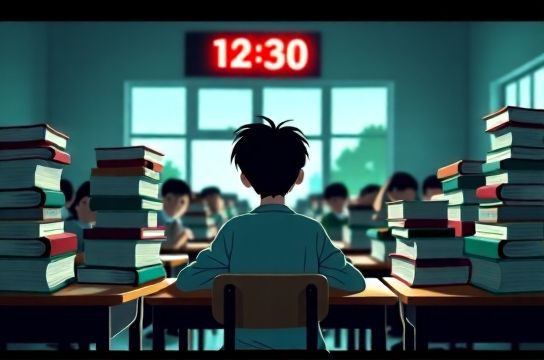
The Gaokao: The Ultimate Academic Thunderdome
At the heart of China’s exam obsession lies the Gaokao, the National College Entrance Examination. Think of it as the Super Bowl, March Madness, and final boss battle all rolled into one. This two-day test can determine your university, major, career path—and yes, even social status.
According to China’s Ministry of Education, over 12 million students sat for the Gaokao in 2023. Only about 60% secured spots in higher education institutions, with elite universities like Tsinghua and Peking accepting less than 2%.
Numbers Don’t Lie: The Pressure by the Data
Beneath the surface of rote memorization and sleepless nights is a growing mental health crisis. Recent studies paint a concerning picture:
| Metric | Data | Source |
|---|---|---|
| Students reporting moderate to severe anxiety | 45% | Chinese Journal of Clinical Psychology, 2022 |
| Teens with depressive symptoms | 24% | WHO Collaborative Study, 2021 |
| Average daily study hours (senior year) | 10–14 hrs | Beijing Normal University Survey |
| Schools offering on-site mental health counseling | ~38% | Ministry of Education Report, 2023 |
That’s right—nearly half of high schoolers are battling anxiety, yet fewer than four in ten schools have counselors. It’s like running a marathon with no water stations.
Why Is the System So Relentless?
Cultural values play a huge role. In many families, academic success equals honor. Parents invest heavily—emotionally and financially—believing their child’s Gaokao score reflects parental dedication. Add to that urban competition and limited top-tier university slots, and you’ve got a perfect storm.
Private tutoring has become a $120 billion industry—until the government cracked down in 2021 with the "Double Reduction Policy" to ease student burdens. But while after-school academies shuttered overnight, the mindset didn’t change. Shadow tutoring and parental pressure persist.
What’s Being Done?
Progress is slow but visible. Some progressive schools in Shanghai and Shenzhen now integrate mindfulness, weekly emotional check-ins, and stress management workshops. A pilot program in Hangzhou reduced homework loads by 30% and saw a 17% drop in student anxiety levels within one semester.
Still, systemic reform is needed. Experts advocate for diversified evaluation methods—factoring in extracurriculars, creativity, and emotional intelligence—instead of relying solely on a single exam.
Final Thoughts: Redefining Success
China’s exam culture has produced academic excellence—but at what cost? As awareness grows, so does hope. The next generation deserves a system that values mental resilience as much as math scores. After all, a healthy mind doesn’t just pass exams—it builds futures.