
The Gig Economy in China: Flexibility or Exploitation for Young Workers?
- Date:
- Views:214
- Source:The Silk Road Echo
Let’s be real — in today’s fast-moving China, more and more young people aren’t clocking into 9-to-5 office jobs. Instead, they’re hopping on bikes, opening online shops, or streaming video games from their bedrooms. Welcome to the gig economy, where flexibility rules… but at what cost?
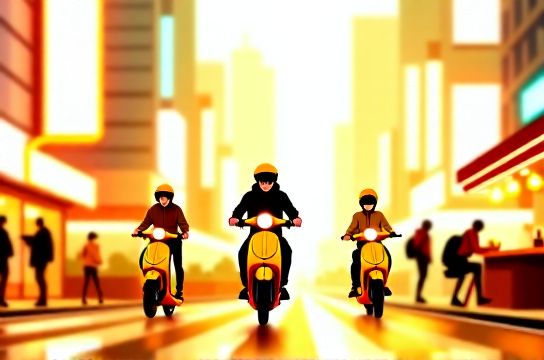
China’s gig scene has exploded over the past decade. From food delivery riders racing through city traffic to freelance designers selling services on WeChat, millions of young workers are ditching traditional careers for short-term gigs. And hey, who can blame them? The freedom to choose your hours, work from anywhere, and avoid corporate hierarchies sounds like a dream.
But here’s the twist: is this independence real, or just a shiny cover for exploitation?
On one hand, the gig economy offers something big — control. College grads facing fierce job competition see gig work as a survival tool. No degree? No problem. Grab a scooter and start delivering. Got design skills? Sell them on Xiaohongshu or Taobao. Platforms like Meituan, Didi, and Pinduoduo make it easy to jump in. For many, it’s not just about money — it’s about dignity and self-worth in a tough job market.
Yet behind the hustle is a darker side. Long hours, zero benefits, and constant pressure to meet algorithm-driven targets leave many burned out. Imagine biking through rain for 12 hours just to hit your daily quota — and still not earning enough. That’s the reality for countless delivery drivers. One rider in Shanghai told me, “The app doesn’t care if I’m tired. If my rating drops, I lose orders.”
And don’t forget — no health insurance, no paid leave, no pension plans. When you’re classified as an independent contractor, companies wash their hands of responsibility. It’s flexibility with no safety net.
Young workers aren’t blind to this. Some call it ‘freedom with chains.’ They love the autonomy but hate the instability. A growing number are pushing back — demanding better pay, fair algorithms, and basic labor rights. In cities like Hangzhou and Chengdu, informal gig worker groups are forming, sharing tips and organizing quiet protests.
So, is China’s gig economy empowering or exploitative? Honestly, it’s both. It gives opportunity to those left behind by the traditional system, but it also exposes them to new risks. The real question isn’t whether gig work should exist — it’s how to make it fair.
Experts say regulation is key. Clearer labor laws, social security access, and platform accountability could turn gig work from a last resort into a real choice. Some pilot programs in Guangdong are already testing this — offering gig workers partial社保 (social insurance) coverage. Early results? Promising.
At the end of the day, young Chinese aren’t asking for handouts. They want respect, stability, and a shot at a decent life — whether they’re coding apps or delivering dumplings. The gig economy can be part of that future, but only if it stops treating people like disposable tools.
So next time you order takeout at midnight, remember: someone’s freedom might just be their survival.