
Why China's Only Children Are Redefining Family and Responsibility
- Date:
- Views:238
- Source:The Silk Road Echo
You’ve probably heard the phrase ‘only child syndrome’—spoiled, lonely, a bit self-centered. But in China, being an only child is way more than a personality label. It’s a social phenomenon shaped by decades of policy, culture, and shifting family dynamics. And guess what? These so-called ‘little emperors’ are now all grown up—and they’re quietly reshaping what it means to be family.
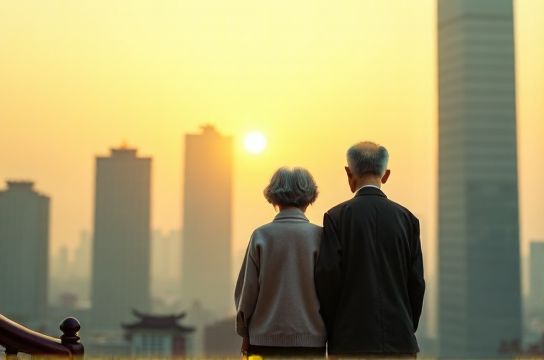
Back in 179, China rolled out the one-child policy to manage population growth. For over 30 years, millions of families had just one shot at carrying on the family name. That single rule created a generation unlike any other: kids doted on by six adults (mom, dad, two sets of grandparents), loaded with expectations, and later burdened with a unique kind of pressure—being the sole caregiver for aging parents.
But here’s the twist: instead of crumbling under that weight, many only children are stepping up in creative, heartfelt ways. They’re not just supporting their parents financially—they’re redefining filial piety for the 21st century. Think video calls when they can’t visit, hiring caregivers, or even moving back home despite career opportunities elsewhere. It’s not always easy, but they’re making it work.
And it’s not just about duty. A lot of these young adults feel a deep emotional connection to their parents. After all, they grew up as the center of their family’s universe. Now, they’re returning the love—not out of guilt, but genuine care.
Of course, there are challenges. Mental health struggles? Real. Financial stress from rising housing and healthcare costs? Absolutely. And let’s not forget the loneliness some feel without siblings to lean on. But instead of seeing themselves as victims, many are building chosen families—tight-knit friend groups, strong marriages, or communities that act like extended kin.
What’s really fascinating is how this generation is influencing broader cultural norms. In cities like Beijing and Shanghai, you’ll see more open conversations about elderly care, work-life balance, and emotional well-being. Policies are slowly adapting too, with better eldercare support and incentives for childbirth since the one-child policy ended in 2016.
So, are China’s only children the future of family responsibility? Maybe not the whole picture—but they’re definitely leading the conversation. They’ve turned a rigid government rule into a story of resilience, love, and reinvention. And honestly, that’s something worth celebrating.
This isn’t just about demographics. It’s about heart. And if one generation can redefine what it means to care for each other in a fast-changing world, maybe we’ve all got something to learn.