
The Aesthetic of Simplicity: How 'Bare Life' Became a Cultural Statement in China
- Date:
- Views:353
- Source:The Silk Road Echo
You’ve probably seen it — minimalist Instagram feeds, quiet coffee moments, clothes with zero logos, and spaces so clean they look almost unfinished. In China, this isn’t just a trend; it’s a movement. People are calling it ‘Bare Life’ — or as it’s known in Chinese, 素生活 (sù shēnghuó). And it’s way more than just interior design. It’s a full-on cultural reset.
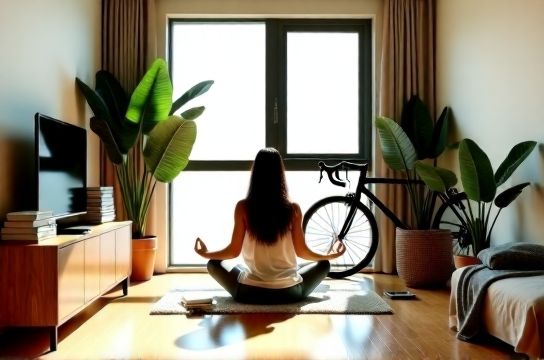
Forget flashy brands and over-the-top lifestyles. The younger generation in cities like Beijing, Shanghai, and Chengdu are ditching the noise. Instead, they’re embracing calm, slow living, and intentional choices. Think linen clothes, handmade ceramics, quiet tea ceremonies, and meals made from scratch. It’s not about being poor — it’s about being free. Free from consumer pressure, free from social media drama, and free to just… be.
So how did we get here? Well, after years of rapid economic growth and non-stop hustle culture, many young Chinese people are hitting pause. Burnout is real. Social competition is intense. And with rising housing costs and job uncertainty, the old dream of 'more, faster, better' just doesn’t feel fulfilling anymore. Enter Bare Life — a soft rebellion against the grind.
But don’t mistake this for laziness. This aesthetic is deeply thoughtful. It draws from traditional Chinese philosophies like Daoism and Zen Buddhism, where simplicity and harmony with nature are key. You’ll see it in the way people arrange their homes — empty space isn’t wasted; it’s breathing room. A single branch in a vase? That’s not minimal decor — that’s mindfulness on display.
And brands have definitely noticed. Local designers are swapping bold logos for subtle textures. Cafés are designed like meditation rooms. Even fashion labels are launching 'quiet collections' — neutral tones, natural fabrics, no hype. The message is clear: less really can be more.
Social media plays a big role too. On Xiaohongshu (China’s answer to Pinterest and Instagram), hashtags like #素生活 and #极简生活 (minimalist life) are blowing up. Real people share their morning routines, capsule wardrobes, and clutter-free apartments. It’s not about perfection — it’s about peace. And that resonates.
What’s interesting is how personal this movement feels. For some, Bare Life means quitting a high-paying job to open a small teahouse. For others, it’s cooking at home instead of ordering takeout every night. There’s no rulebook. It’s not about following trends — it’s about creating meaning.
Still, it’s not without criticism. Some say it’s a luxury only the middle class can afford. After all, choosing to live simply is different from having no other option. And yes, there’s truth in that. But the core idea — slowing down, reconnecting with yourself, and valuing quality over quantity — that’s something anyone can relate to.
At its heart, Bare Life isn’t just an aesthetic. It’s a response to modern chaos. In a world that never stops moving, choosing stillness is radical. In a culture that once celebrated visible success, choosing quiet dignity takes courage.
So whether you’re folding your clothes Japanese-style or just sipping tea without checking your phone, you’re part of something bigger. The Bare Life movement in China isn’t fading — it’s growing, one mindful moment at a time.