
Urban Lives: The Identity Struggle of China’s Migrant Youth
- Date:
- Views:245
- Source:The Silk Road Echo
Imagine chasing the city lights, hoping for a better life—only to feel invisible once you get there. That’s the daily reality for millions of migrant youth in China’s booming urban centers. Every year, young people from rural villages pack their bags and head to cities like Beijing, Shanghai, and Shenzhen, dreaming of opportunity. But behind the skyscrapers and subway rush hours, there’s a quiet identity crisis unfolding.
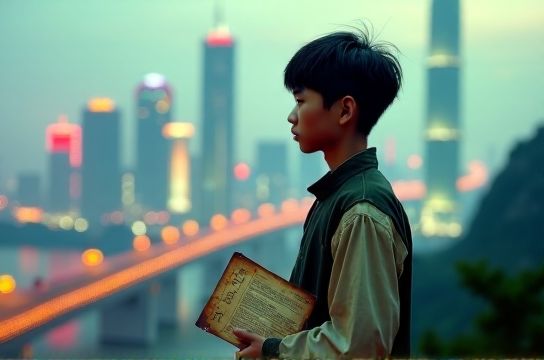
These kids aren’t quite country, not fully city. They grow up in urban neighborhoods but carry hukou registrations from distant provinces—China’s household registration system that still divides 'locals' from 'outsiders.' And that little piece of paper? It blocks access to public schools, healthcare, and even stable housing. So while they speak the same language and wear the same trendy clothes, they’re treated like second-class citizens.
Take 19-year-old Mei from Sichuan, now working at a delivery app service in Guangzhou. She says, 'I’ve lived here since I was 12, but when I apply for jobs or try to rent an apartment, they ask for my hukou. Suddenly, I’m not one of them anymore.' Her story isn’t rare—it’s the norm.
Social media adds another layer. On platforms like Douyin and Xiaohongshu, migrant youth scroll through glamorous city lifestyles, comparing their cramped dorm rooms and long shifts to influencers living the dream. This digital gap fuels frustration. But it also sparks creativity. Many are using these same platforms to tell their stories—posting videos about life in the urban margins, building online communities that say, 'We exist, we matter.'
Identity isn’t just about paperwork; it’s about belonging. These young people don’t want handouts—they want recognition. They want to be seen as part of the city they help build every day, whether through delivering food, cleaning offices, or assembling electronics.
Some changes are brewing. A few cities have started loosening hukou rules for younger migrants, and NGOs are pushing for inclusive education policies. But real transformation needs more than policy tweaks—it needs a mindset shift. Cities must stop treating migrant youth as temporary workers and start seeing them as future citizens.
So what’s next? As China’s economy evolves, its cities can’t thrive without embracing the very people powering them. The struggle for identity isn’t just personal—it’s shaping the soul of urban China. And maybe, just maybe, these young voices will redefine what it means to belong in a modern Chinese city.