
National Pride and Global Exposure: The Dual Identity of China’s Young Citizens
- Date:
- Views:288
- Source:The Silk Road Echo
These days, being a young person in China isn’t just about growing up in one of the world’s fastest-moving societies—it’s about living with two identities at once. On one hand, there's deep-rooted national pride, fueled by decades of rapid development, cultural revival, and a strong sense of unity. On the other, Chinese youth are more globally connected than ever, scrolling through Instagram, debating K-pop vs. C-pop, studying abroad, or launching startups with international ambitions.
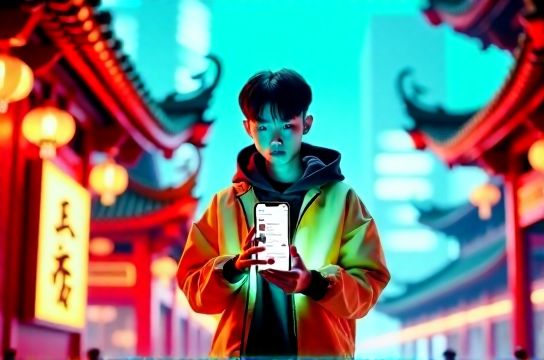
It’s this unique blend—patriotism meets global mindset—that defines a generation. You’ll hear teens proudly talk about China’s achievements in tech, space, and infrastructure, while also rocking sneakers from Paris, binge-watching American shows, or planning their next trip to Tokyo. And it’s not a contradiction—it’s balance.
Take university students in Beijing or Shanghai. Many grew up hearing stories of China’s ‘century of humiliation,’ but now they’re part of a rising superpower. They feel proud when China launches a new space mission or dominates in robotics competitions. Yet, they’re also fluent in English, follow Silicon Valley trends, and care deeply about global issues like climate change and mental health.
Social media plays a huge role here. Platforms like Bilibili and Xiaohongshu let young Chinese express themselves while staying rooted in local culture. At the same time, they use Twitter, YouTube, and Discord to engage with global communities. This digital duality lets them celebrate traditional festivals like Lunar New Year with family, then hop online to join an international gaming tournament.
And brands? They’ve noticed. Companies—from homegrown startups to global giants—are tailoring messages that speak to both sides. You’ll see ads showing young people wearing Hanfu (traditional clothing) while using the latest iPhone, or promoting eco-friendly lifestyles with a distinctly Chinese twist. It’s patriotism with a passport.
Critics might say this dual identity causes confusion. But most young Chinese see it differently. To them, loving your country doesn’t mean shutting out the world. In fact, they believe China’s strength comes from engaging with it. Whether it’s through study exchanges, tech collaborations, or cultural diplomacy, they’re shaping a new kind of nationalism—one that’s confident, open, and future-focused.
So what does this mean for the future? A generation that’s proud to be Chinese, yet ready to compete and connect on the world stage. They’re not choosing between East and West—they’re blending both. And as China continues to grow, this balance of national pride and global exposure might just be its biggest soft power asset.