
Hanfu Movement and Gen Z: How Traditional Fashion Is Reshaping Chinese Identity
- Date:
- Views:289
- Source:The Silk Road Echo
You’ve probably seen them on the streets of Beijing, strolling through parks in Shanghai, or lighting up your TikTok feed—Gen Z kids twirling in flowing silk robes, wide sleeves flapping like wings, looking like they just stepped out of a historical drama. No, it’s not cosplay—it’s the Hanfu movement, and it’s blowing up across China.
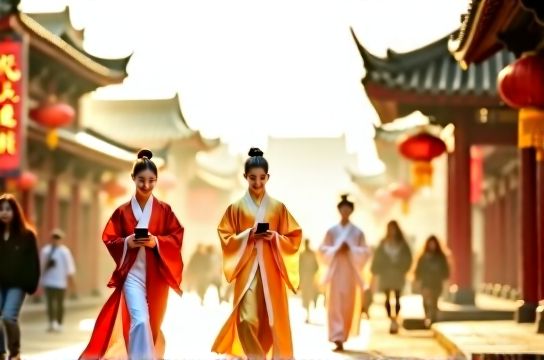
For those who haven’t caught on yet, Hanfu refers to traditional Han Chinese clothing that dates back thousands of years—think elegant silhouettes, intricate embroidery, and fabrics that make you feel like royalty. And now, thanks to a wave of proud, culturally curious young people, Hanfu isn’t just for museums or TV shows anymore. It’s becoming a lifestyle.
So what’s behind this sudden fashion revival? It’s more than just aesthetics (though let’s be real, these outfits are stunning). For Gen Z in China, wearing Hanfu is a way to reconnect with their roots, push back against Western-dominated fashion norms, and say, ‘Hey, our history is cool too.’
Unlike their parents’ generation, who often associated traditional wear with old-fashioned ideas, today’s youth see Hanfu as a form of self-expression. It’s identity with a capital I. Whether they’re dressing up for a temple visit, a photo shoot, or just a casual day out, young people are reclaiming cultural pride—one silk jacket at a time.
And social media? It’s fueling the fire. Platforms like Xiaohongshu (China’s Instagram) and Bilibili are packed with Hanfu influencers sharing styling tips, DIY tutorials, and even makeup guides inspired by ancient dynasties. Hashtags like #HanfuEveryday and #WearYourHeritage rack up millions of views, turning niche interest into mainstream movement.
But it’s not all smooth sailing. Some critics call it ‘historical fantasy’ or accuse wearers of being overly romantic about the past. Others question whether modernizing Hanfu dilutes its authenticity. Still, most supporters argue that culture evolves—and if Gen Z wants to mix Hanfu with sneakers or rock it at music festivals, why not?
The truth is, the Hanfu movement isn’t about recreating the past. It’s about reimagining it. It’s about saying that being modern doesn’t mean erasing tradition. In a world where globalization often means homogenization, this trend is a bold reminder: Chinese identity can be both ancient and fresh, traditional and trendy.
From small online shops selling affordable Hanfu sets to major brands launching heritage-inspired collections, the ripple effects are clear. The fashion industry is taking notice. Cultural events are adding Hanfu parades. Even schools are hosting themed days.
At its core, the Hanfu movement led by Gen Z is more than fabric and fashion—it’s a quiet revolution of pride, belonging, and cultural confidence. And honestly? It looks really good on them.