
Social Phenomena China Beyond the Surface Reality
- Date:
- Views:208
- Source:The Silk Road Echo
China isn’t just about skyscrapers and high-speed trains — dig a little deeper, and you’ll uncover a social landscape that’s as complex as it is fascinating. From digital nomads in Chengdu cafes to elderly line-dancing squads in Beijing parks, modern Chinese society is a blend of tradition, tech, and transformation.
The Digital Pulse: WeChat & Social Credit
You can't talk about China without mentioning WeChat. It’s not an app — it’s a lifestyle. Over 1.3 billion users rely on it for messaging, payments, doctor appointments, and even government services. Imagine doing your taxes, hailing a cab, and ordering bubble tea — all without leaving one app. That’s daily life in urban China.
Then there’s the much-misunderstood Social Credit System. Far from a dystopian surveillance tool, it's more like a behavioral incentive program. Good citizens get perks: faster airport lines, loan discounts. Bad behavior? You might get banned from flights or high-speed rail. According to a 2023 Peking University study, over 60% of participants reported changing their behavior due to the system.
| Social Behavior | Reward/Penalty | Real-World Impact |
|---|---|---|
| Paying bills on time | + Credit points | Lower interest rates |
| Jaywalking (repeated) | - Points, public shaming | Banned from public transit |
| Volunteering | + Points | Priority school enrollment |
The Rise of 'Lying Flat' and 'Tang Ping'
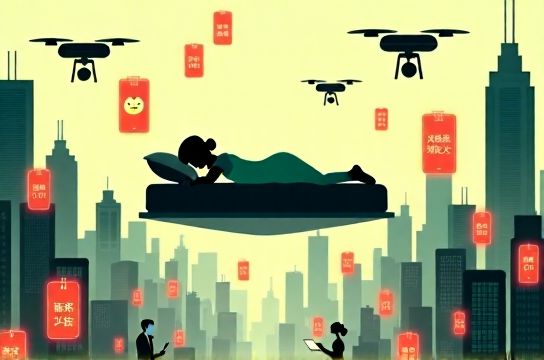
Meet Gen Z’s quiet rebellion: Tang Ping, or “lying flat.” After years of grueling 996 work culture (9 AM to 9 PM, 6 days a week), many young Chinese are opting out. No marriage. No kids. No corporate ladder. Just… peace.
A 2022 survey by Zhihu found that 43% of respondents aged 18–30 identified with the mindset. They’re not lazy — they’re redefining success. Some move to second-tier cities like Dali or Guiyang, living on freelance gigs and minimal rent. It’s less anti-work, more pro-life.
Family Dynamics: The One-Child Echo
China’s one-child policy may be gone, but its ripple effects remain. In cities, it’s common for a single child to support four aging parents — the so-called “4-2-1” structure. This puts immense pressure on young adults, especially women, who often face workplace bias for potential maternity leave.
Meanwhile, rural areas tell a different story. Empty villages filled with grandparents raising grandchildren while parents migrate for work. Over 60 million left-behind children exist nationwide, a silent crisis shaping future generations.
Digital Love & Marriage Markets
Love in China? It’s complicated. Urban professionals use apps like Momo and Tantan, but many still turn to marriage markets — where parents swap resumes of their single kids in parks. Yes, literally.
In Shanghai’s People’s Park, CVs list income, property, and zodiac signs. One 2023 study found that 78% of parents believed their child needed ‘better credentials’ to marry. Ouch.
Cultural Contradictions: Tradition Meets Tech
Here’s the beauty of China: ancient temples sit beside AI startups. Young people burn incense for luck before coding apps. Lunar New Year red packets go digital via WeChat — $15 billion was sent in e-hongbao during春节 2023 alone.
This fusion isn’t forced — it’s fluid. Taoism, Confucianism, and now, algorithm-driven lifestyles coexist. Even Douyin (TikTok) influencers quote Laozi between dance trends.
So, what’s the real China? Not a monolith, but a mosaic. A place where social credit scores and spiritual beliefs shape identity, where going offline is radical, and where the future is being rewritten daily — one QR code at a time.