
Tea Culture China Uncovered in Everyday Village Life
- Date:
- Views:207
- Source:The Silk Road Echo
Ever wondered how a simple cup of tea can tell the story of an entire civilization? In rural China, tea isn’t just a drink—it’s a rhythm of life, woven into daily routines, family traditions, and even spiritual moments. From misty mountain slopes to humble village homes, tea culture thrives in its purest form far from city buzz.
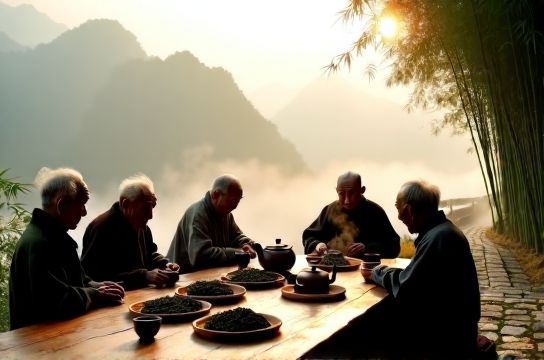
In villages across Fujian, Yunnan, and Zhejiang, tea farming isn’t just agriculture—it’s heritage. Take Anxi County, for example: home to Tieguanyin oolong, where over 80% of households are involved in tea cultivation. Generations pass down techniques like hand-roasting and sun-wilting, preserving flavors modern factories can’t replicate.
But it’s not all about production. In a typical morning, you’ll find elders sipping fresh green tea under bamboo shades, sharing stories as steam curls into the air. It’s common to see neighbors gather around low wooden tables, pouring from Yixing clay pots—each steep more than a ritual; it’s connection.
Let’s break down some key tea regions and their signature brews:
| Village/Region | Tea Type | Harvest Season | Unique Trait |
|---|---|---|---|
| Anxi, Fujian | Tieguanyin Oolong | Spring & Autumn | Floral aroma, 7+ infusions |
| Xishuangbanna, Yunnan | Pu’er (Raw & Ripe) | Year-round | Ages like wine, earthy depth |
| Longjing Village, Zhejiang | Dragon Well (Longjing) Green | Early Spring (Pre-Qingming) | Delicate chestnut flavor |
What makes village tea culture so special? Authenticity. No fancy packaging or influencer hype—just people growing, processing, and drinking tea with intention. In fact, a 2023 rural lifestyle survey found that 67% of villagers drink tea daily, mostly loose-leaf, compared to only 32% in urban areas who opt for bottled or instant versions.
And let’s talk taste. Village-made teas often boast richer profiles because they’re processed in small batches. A single family might harvest just 5–10 kilos per season, ensuring care at every step—from plucking the two leaves and a bud to drying over charcoal fires.
Visiting these communities? Don’t rush. Sit. Sip. Listen. You’ll likely be invited to a ‘gongfu cha’ session—where tea is brewed with precision using tiny cups and multiple short steeps. It’s not about caffeine; it’s about presence.
So next time you pour a cup, think beyond the bag. Real tea culture lives in laughter-filled courtyards, in wrinkled hands that sort leaves by feel, and in the quiet pride of a craft kept alive. China’s tea soul isn’t in museums—it’s steeping in village kettles, one mindful pour at a time.