
Inside Chinese Youth Culture and Modern Social Change
- Date:
- Views:246
- Source:The Silk Road Echo
If you think youth culture is all about TikTok dances and bubble tea, think again—especially in China. The country’s young generation isn’t just shaping trends; they’re quietly rewriting the rules of society, identity, and economy. Welcome to the world of post-90s and post-00s China, where tradition meets tech, and rebellion wears a hoodie.
The New Pulse of Chinese Society
Gone are the days when Chinese youth blindly followed the path of academic excellence → stable job → early marriage. Today’s Gen Z (born 1995–2009) makes up about 17% of China’s population—that’s over 235 million people with spending power, opinions, and Wi-Fi. And they’re not waiting for permission to speak.
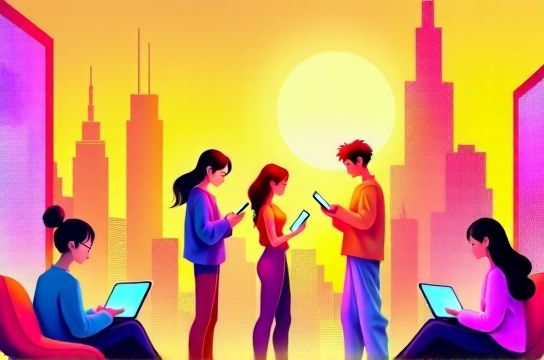
According to a 2023 report by QuestMobile, Chinese youth spend an average of 4.2 hours daily on mobile apps, with Douyin (China’s TikTok), Xiaohongshu (Little Red Book), and Bilibili leading the pack. These platforms aren’t just for entertainment—they’re digital town squares where identity, fashion, politics, and mental health are debated openly.
Youth Trends That Are Changing China
- Silent Quitting (躺平 - Tǎng Píng): Literally “lying flat,” this movement rejects hustle culture. Why grind 996 (9 am–9 pm, 6 days/week) if home ownership and marriage feel out of reach?
- Embracing Individualism: From gender-fluid fashion to LGBTQ+ visibility, urban youth are exploring identities once considered taboo.
- Digital Entrepreneurship: Over 60% of new e-commerce sellers on Taobao are under 30. Many run solo brands from their apartments.
By the Numbers: What Drives Them?
Beneath the memes and aesthetics lies real economic pressure. Here’s a snapshot of youth realities:
| Metric | Data | Source |
|---|---|---|
| Average Urban Youth Monthly Income | ¥8,200 (~$1,130) | 2023 China Youth Report |
| Homeownership Rate (under 35) | 28% | NBS Survey |
| Preference for Freelance Work | 41% | Pew Research Asia |
| Users of Mental Health Apps | 67 million | iResearch |
Notice something? There’s a gap between aspiration and reality. While 72% say they value personal fulfillment, only 38% believe they’ll achieve financial independence before 35.
Culture Clash: Old Values vs. New Dreams
Parents who lived through scarcity push for stability. But kids raised in China’s boom era crave meaning. This tension fuels phenomena like “involution” (内卷)—a rat race where everyone works harder but gains little.
Yet, innovation thrives in the cracks. Take Liu Yuxin, a Gen Z idol who blends traditional opera with electronic music, or Douyin poets turning subway scribbles into viral verses. Youth aren’t rejecting heritage—they’re remixing it.
The Global Ripple Effect
Chinese youth trends don’t stay local. Hanfu (traditional clothing) videos rack up billions of views. Local indie bands sell out shows in Berlin. Even global brands now hire Chinese Gen Z consultants to avoid cultural blunders.
In short, understanding China’s youth isn’t just sociological curiosity—it’s essential for anyone interested in the future of tech, fashion, or soft power.
Final Thoughts
China’s young aren’t just growing up—they’re growing loud. Whether lying flat or launching startups, they’re redefining success on their own terms. And as AI, climate change, and inequality reshape the world, their choices will echo far beyond the Great Firewall.