
Insights into Chinese Society and Youth Lifestyle
- Date:
- Views:324
- Source:The Silk Road Echo
Ever wondered what it's really like to be a young adult in China today? Spoiler: it’s way more complex than just boba tea and TikTok dances. From sky-high education pressure to the hustle of urban life, Chinese youth are navigating a society that’s changing faster than you can say 'WeChat Pay.'
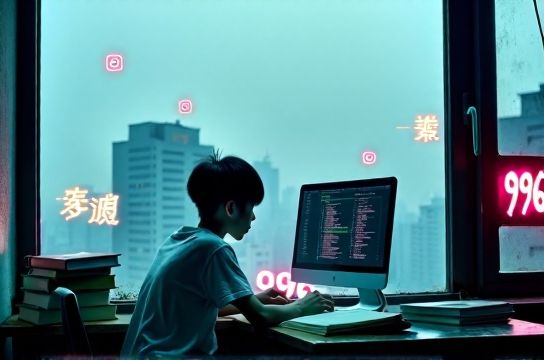
The Pulse of Modern Chinese Youth
China isn’t just the world’s second-largest economy — it’s also home to over 175 million people aged 15–24. This generation is tech-savvy, socially aware, and under immense pressure to succeed. But what drives them? Let’s break it down.
Education: The Great Pressure Cooker
In China, the gaokao (national college entrance exam) isn’t just a test — it’s a life-defining event. Over 12 million students take it each year, competing for spots in top universities with acceptance rates as low as 2–3% for elite schools like Tsinghua or Peking University.
| Indicator | Data |
|---|---|
| Average Study Hours per Day (High School) | 9–11 hours |
| Gaokao Participation (2023) | 12.91 million |
| Top University Acceptance Rate | ~2.5% |
| Youth Reporting High Stress Levels | 68% |
Yeah, that last stat hits hard. According to a 2023 survey by the Chinese Mental Health Association, nearly 7 in 10 teens report feeling chronically stressed — mostly due to academic expectations from parents and society.
Work-Life Balance? What’s That?
After surviving school, many young Chinese enter the workforce only to face the infamous 996 work culture — 9 AM to 9 PM, 6 days a week. While officially discouraged, this grind is still common in tech and startup sectors.
Cities like Beijing, Shanghai, and Shenzhen offer big opportunities but come with sky-high living costs. For example:
- Shanghai average rent (1-bedroom downtown): $1,800/month
- Average starting salary (fresh grad): $1,200–$1,500/month
No wonder so many opt to live with parents well into their late 20s. It’s not laziness — it’s financial reality.
Digital Natives, Socially Wired
If there’s one thing Gen Z in China dominates, it’s digital culture. Platforms like Douyin (TikTok), Bilibili, and Little Red Book (Xiaohongshu) shape everything from fashion to food trends.
Over 85% of youth use short-video apps daily, spending an average of 2.5 hours/day scrolling. And it’s not just entertainment — many are turning side hustles into full-time gigs through livestream selling or content creation.
Changing Values: From 'Face' to Authenticity
Traditionally, Chinese culture emphasized family honor and social 'face.' But younger generations are shifting toward individualism and mental well-being.
Terms like “tang ping” (lying flat) and “neijuan” (involution) have gone viral, reflecting a growing pushback against relentless competition. 'Lying flat' isn’t about laziness — it’s a quiet rebellion, choosing simplicity over societal pressure.
What This Means for the Future
China’s youth aren’t just passive players — they’re reshaping norms, embracing digital innovation, and redefining success on their own terms. While challenges like housing, job security, and mental health remain, their resilience and adaptability are undeniable.
So whether you're researching cultural trends, planning a business move, or just curious about life in modern China — remember: behind the stats and slogans are real people trying to find balance in a fast-moving world.