
Understanding Chinese Youth Culture and Social Phenomena China
- Date:
- Views:207
- Source:The Silk Road Echo
If you've ever scrolled through Douyin (China's TikTok) or watched a viral idol trainee show, you’ve probably caught a glimpse of modern Chinese youth culture. But behind the flashy dance moves and livestream shopping sprees lies a complex, fast-evolving social landscape shaped by technology, pressure, and identity.
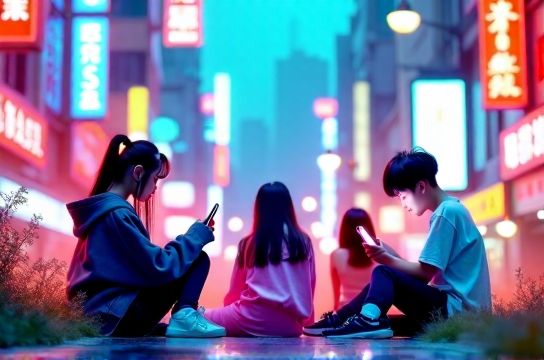
The Rise of 'Lying Flat' and 'Involution'
Two buzzwords have taken China’s youth by storm: 内卷 (involution) and 躺平 (lying flat). Involution describes the exhausting rat race—working longer hours for minimal gains. Lying flat? It’s the quiet rebellion. A 2023 survey by Peking University found that over 62% of millennials feel trapped in high-pressure jobs, with many opting out of traditional success paths like marriage or home ownership.
Digital Natives: How Tech Shapes Identity
China’s Gen Z is the first truly digital-native generation. With 98% smartphone penetration among 15–35-year-olds (CNNIC, 2023), platforms like Xiaohongshu (Little Red Book) and Bilibili aren’t just apps—they’re cultural hubs. These spaces fuel niche communities: from Hanfu fashion revivalists to eco-conscious urbanites.
| Platform | Primary User Age | Key Use Case | Monthly Active Users (2023) |
|---|---|---|---|
| Douyin | 18–30 | Short videos, trends | 780 million |
| Bilibili | 16–25 | Anime, learning, memes | 330 million |
| Xiaohongshu | 20–35 | Lifestyle, reviews | 260 million |
The Idol Economy and Fan Culture
Idol worship isn’t just fandom—it’s an economy. Shows like Youth With You generate billions in voting revenue via app purchases. But it’s not all glamor. The 2021 scandal around idol-producer Caicai Yang exposed toxic fan labor, leading to government crackdowns on 'irrational' fan behavior. Still, fan communities remain powerful, blending creativity and emotional investment.
Urban vs. Rural: A Cultural Divide
While Shanghai teens debate veganism, rural youth face different struggles. Only 40% of rural high school students continue to college (vs. 75% in cities). Yet, platforms like Kuaishou give them a voice—showcasing folk art, farming life, and grassroots humor often ignored by mainstream media.
What This Means for Brands and Observers
To connect with Chinese youth, authenticity beats polish. They value self-expression but distrust overt commercialism. Whether it’s embracing ‘guochao’ (national trend) brands like Li-Ning or supporting mental health awareness, young consumers want purpose-driven engagement.
In short, Chinese youth culture is not monolithic. It’s a dynamic mix of resistance, innovation, and digital fluency. Understanding it means listening—not just watching.