
Shanghai Modern Culture in Art and Urban Life
- Date:
- Views:171
- Source:The Silk Road Echo
When you think of Shanghai, what comes to mind? Skyline views? The Bund? Or maybe that late-night xiaolongbao run in Jing’an? But beyond the glitz and street food, there’s a deeper pulse — one beating through galleries, alleyway cafés, and subway murals. Welcome to Shanghai’s modern culture, where art isn’t just displayed; it’s lived.
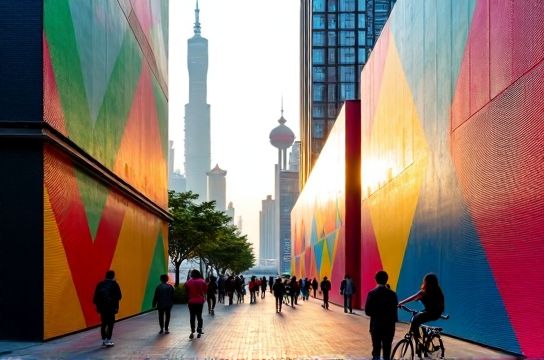
The Art Pulse: From M50 to West Bund
M50, once a textile mill, now pulses with creative energy. Over 130 studios and galleries call this space home, including international names like Leo Xu Projects and ShanghART Gallery. In 2023 alone, M50 attracted over 800,000 visitors — proof that Shanghai’s art scene is no niche hobby.
Then there’s the West Bund Cultural Corridor, a riverside stretch housing the Long Museum, Yuz Museum, and the newly opened Centre Pompidou x West Bund. This zone has seen a 34% increase in foot traffic since 2021, cementing its status as China’s answer to New York’s MoMA or London’s Tate Modern.
| Art District | Annual Visitors (2023) | Main Highlights |
|---|---|---|
| M50 Creative Park | 800,000+ | ShanghART, photography exhibits, indie fashion pop-ups |
| West Bund | 1.2 million+ | Long Museum, Centre Pompidou collabs, sculpture parks |
| Rockbund Art Museum | 220,000 | Contemporary Chinese installations, harbor views |
Urban Life Meets Aesthetic Living
But art here isn’t confined to white cubes. Take Tianzifang — a maze of alleys turned cultural hotspot. With over 400 boutiques and cafés crammed into old shikumen houses, it’s where locals sip flat whites beside painters sketching on cobbled paths.
And let’s talk public spaces. Shanghai boasts over 400 urban parks, many integrating art. Century Park hosts seasonal light festivals, while Fuxing Park features live opera and dance by retirees — yes, culture thrives at every age.
Data Tells the Story
The numbers don’t lie. According to Shanghai’s 2023 Cultural Development Report:
- Over 95 new galleries opened citywide since 2020
- 68% of residents engage in arts monthly (museums, performances, workshops)
- Cultural tourism contributed $18.7 billion to GDP — 6.3% of total
This isn’t just growth — it’s a cultural renaissance.
Why It Matters
Shanghai’s magic lies in fusion. You can attend a VR art exhibit in Xuhui, then catch a traditional Pingtan storytelling session in Yu Garden. The city doesn’t choose between old and new — it remixes them.
For travelers, this means more than sightseeing. It’s about feeling the rhythm — whether through a graffiti-covered lane in Jing’an or a silent meditation in Longhua Temple amid city buzz.
In Shanghai, modern culture isn’t a trend. It’s the heartbeat.