
Inside Chinese Society Youth Movements and Values
- Date:
- Views:313
- Source:The Silk Road Echo
In recent years, the heartbeat of Chinese society has increasingly echoed with the voices of its youth. As digital natives born into a rapidly evolving landscape, today’s young Chinese aren’t just following trends—they’re shaping them. From grassroots environmental activism to viral social media campaigns, youth movements in China are redefining values, identity, and civic engagement in subtle yet powerful ways.
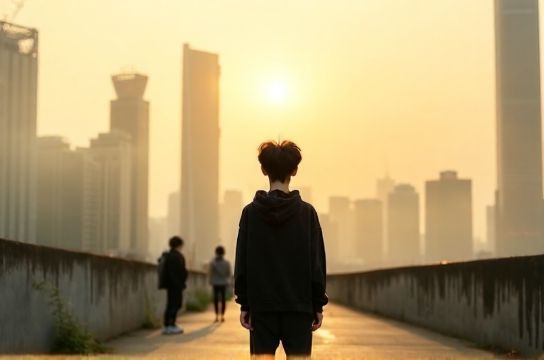
While traditional narratives often paint Chinese youth as exam-focused and career-driven, the reality is far more nuanced. A 2023 survey by Peking University revealed that over 68% of urban youth aged 18–30 prioritize 'work-life balance' over high salaries—a seismic shift from previous generations. This generation values mental well-being, personal fulfillment, and social responsibility, even within a system that emphasizes stability and collective harmony.
One of the most visible youth-led shifts has been the rise of 'lying flat' (躺平) and 'let it rot' (摆烂) ideologies. Far from mere laziness, these movements reflect a quiet resistance to relentless societal pressure. In a country where the gaokao (college entrance exam) once defined destiny, young people are now questioning the cost of success. According to the China Labor Bulletin, youth unemployment briefly hit 21.3% in 2023—the highest on record—fueling disillusionment and prompting soul-searching about what 'progress' really means.
Yet, this introspection hasn’t led to apathy. On the contrary, many young Chinese are channeling their energy into causes they care about—from gender equality to climate action. Take the feminist wave sparked by university students organizing online campaigns against workplace discrimination. Or consider the surge in eco-conscious behavior: a 2022 Alibaba report showed that Gen Z users were 40% more likely to choose sustainable products than older consumers.
To better understand these dynamics, let’s break down key youth attitudes across different domains:
| Value Domain | Traditional Priority | Youth Priority (Gen Z) | Shift Indicator |
|---|---|---|---|
| Work & Career | Stability, Prestige | Flexibility, Meaning | ↑ Remote work demand +75% since 2020 |
| Relationships | Marriage by 30 | Personal Freedom | ↓ Marriage rate: 6.1 per 1,000 in 2023 vs. 9.9 in 2013 |
| Well-being | Endure Stress | Mental Health Awareness | ↑ Counseling app usage +200% among youth (2021–2023) |
| Social Impact | Stay Neutral | Civic Engagement | ↑ Environmental volunteerism by 30% in 5 years |
These numbers tell a story of quiet revolution—not through protest, but through personal choice and digital solidarity. Platforms like Xiaohongshu (Little Red Book) and Bilibili have become incubators for alternative lifestyles, where young creators share minimalist living tips, queer identities, and critiques of consumerism.
Of course, challenges remain. Censorship and social expectations still limit open dissent. Yet, youth expression finds creative outlets—through art, fashion, and coded language. The message is clear: Chinese youth aren’t rejecting society; they’re reimagining it on their own terms.
In essence, the soul of modern China isn’t just in its skyscrapers or tech hubs—it’s in the minds of its young people, who are balancing tradition with transformation, one thoughtful choice at a time.