
Explaining Chinese Buzzwords From Mopao to Neijuan Decoded
- Date:
- Views:310
- Source:The Silk Road Echo
If you've spent any time scrolling through Chinese social media or chatting with young locals, you've probably stumbled upon terms like mopao, neijuan, or tangping. These aren’t just slang—they’re cultural snapshots of a generation navigating work, life, and identity in modern China. Let’s decode the buzz.
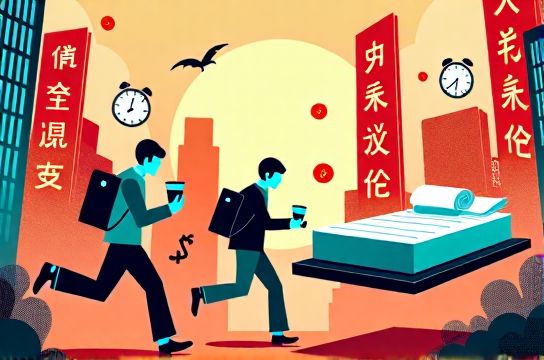
What’s Behind the Hype?
China’s internet culture thrives on irony, satire, and emotional resonance. Words evolve fast—often born from memes, viral posts, or collective frustration. Here’s a breakdown of three key terms shaping Gen Z and millennial discourse:
- Mopao (摸鱼) – Literally “touching fish,” it means slacking off at work.
- Neijuan (内卷) – Translates to “involution,” describing cutthroat overwork with diminishing returns.
- Tangping (躺平) – “Lying flat,” a passive resistance to societal pressure.
Mopao: The Art of Quiet Rebellion
Mopao isn’t laziness—it’s survival. In high-pressure offices, employees “touch the fish” by doing the bare minimum while appearing busy. Think fake Zoom calls, endless coffee breaks, or browsing Taobao during work hours.
A 2023 survey by Zhaopin found that 68% of white-collar workers admitted to regular mopao behavior, citing burnout and poor management as top reasons.
Neijuan: When Hard Work Stops Paying Off
Imagine working 12-hour days, only to see promotions go to someone who works 14. That’s neijuan—endless competition that benefits no one. It’s not growth; it’s grinding in place.
This term exploded during the tech crackdown, as startups demanded extreme hours for unstable rewards. A Peking University study revealed that 75% of urban professionals feel trapped in neijuan cycles, especially in finance, IT, and education sectors.
| Buzzword | Literal Meaning | Social Context | Popularity Index (2023) |
|---|---|---|---|
| Mopao (摸鱼) | Touching fish | Workplace slacking | 8.7/10 |
| Neijuan (内卷) | Involution | Over-competition | 9.2/10 |
| Tangping (躺平) | Lying flat | Anti-hustle movement | 7.8/10 |
Tangping: Opting Out of the Rat Race
In response to neijuan, some choose tangping—rejecting relentless ambition. It’s not depression; it’s a conscious choice to live simply, avoid debt, and prioritize mental health.
Though criticized by state media as “unpatriotic,” tangping resonates with youth facing sky-high housing costs and shrinking job markets. Douyin videos tagged #躺平 have racked up over 2.3 billion views.
Why These Words Matter
These buzzwords aren’t fleeting trends—they reflect deep societal shifts. They signal a growing demand for work-life balance, mental wellness, and redefining success beyond materialism.
For brands and employers, ignoring them means missing the pulse of China’s future workforce. For travelers and cultural observers, they offer insight into the unspoken stresses of urban life.
The Takeaway
Mopao, neijuan, tangping—more than internet lingo, they’re cries for dignity in an exhausting system. Understanding them helps us empathize with a generation rewriting the rules of success—one sarcastic meme at a time.