
The Digital Face of Chinese Society: Social Media's Role in Shaping Public Opinion
- Date:
- Views:266
- Source:The Silk Road Echo
Let’s be real—social media isn’t just about cute cats and food pics in China. It’s where the pulse of public opinion beats the loudest. From Weibo to Douyin (that’s TikTok for the rest of the world), Chinese netizens are using digital platforms to talk, debate, and sometimes even drive change—all in real time.
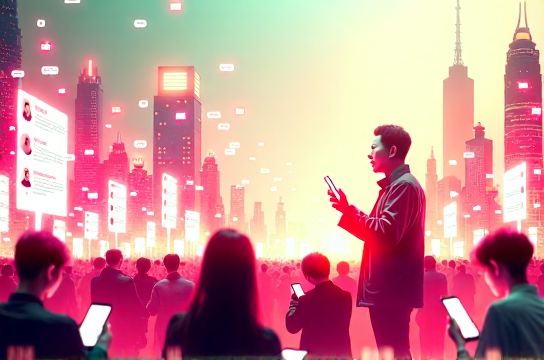
Forget traditional media being the only gatekeeper of news. In today’s China, a single viral post can spark nationwide conversations. Remember when a doctor’s late-night rant about hospital conditions blew up on WeChat Moments? Or when a factory worker’s poetic reflections on city life went viral on Xiaohongshu? These aren’t just isolated moments—they’re proof that social media has become the new town square.
Platforms like Weibo act like China’s version of Twitter, where hashtags trend fast and public sentiment shifts even faster. But it’s not all free speech—there’s a balance between expression and regulation. The government keeps a close eye, and certain topics get quietly buried. Still, users find clever ways to speak their minds through memes, coded language, and humor that flies under the radar.
Then there’s Douyin. It’s not just dance challenges and lip-syncs—increasingly, it’s where young people get their news, form opinions, and even discover social issues they never knew existed. A short video exposing food waste in schools? Boom—national discussion. A livestream showing rural life with honesty and charm? Suddenly, urban youth start rethinking what ‘progress’ really means.
What’s wild is how influencers—called Key Opinion Leaders or KOLs—can sway millions. One endorsement from a top KOL, and a product sells out in minutes. But more importantly, when these influencers speak on social issues, people listen. They’ve got trust that traditional media often lacks.
And let’s not forget the role of algorithms. They don’t just show you what you like—they shape what you think. If your feed is full of nationalist takes or environmental activism, that becomes your reality. It’s echo chambers with extra steps.
Still, despite controls, social media in China remains a powerful tool for grassroots voices. It won’t replace official narratives, but it sure influences them. When public outrage hits critical mass online, even state media sometimes picks up the story—framed carefully, of course.
So yeah, the digital face of Chinese society? It’s complex, loud, creative, and constantly evolving. Social media isn’t just shaping opinions—it’s reshaping how China talks to itself.