
Exploring Modern Chinese Society Beyond Headlines
- Date:
- Views:250
- Source:The Silk Road Echo
When you think of China, what comes to mind? Skyscrapers in Shanghai? Ancient temples in Xi’an? Or maybe viral TikTok trends from Chengdu? While the headlines often focus on politics or economics, the real story of modern Chinese society is way more colorful, complex, and human. Let’s take a deep dive—no jargon, no fluff—into the everyday lives, shifting values, and quiet revolutions happening across this massive country.
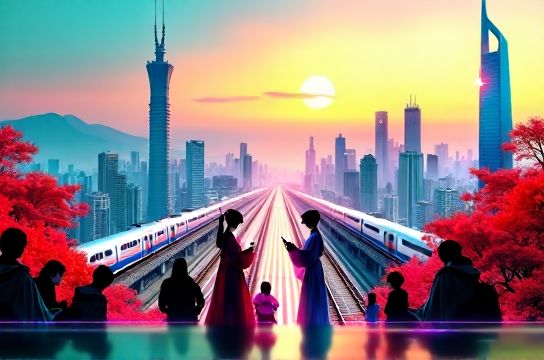
The Rise of the Urban Middle Class
China’s rapid urbanization has birthed a new generation: tech-savvy, brand-conscious, and socially mobile. Over 65% of China’s population now lives in cities—that’s more than 900 million people! This urban middle class isn’t just buying iPhones and Starbucks; they’re redefining lifestyle, education, and even romance.
Take dating, for example. Traditional matchmakers are being replaced by apps like Momo and Tantan (China’s answer to Tinder). But here’s the twist: many young professionals still face pressure from “leftover women” labels if they’re unmarried by 27. Talk about a cultural tug-of-war!
Digital Life: More Than Just WeChat
If your phone only has Instagram and WhatsApp, prepare to be shocked. In China, WeChat isn’t an app—it’s a lifestyle. You pay for street food, book doctor appointments, and even file taxes—all within one super-app. Alipay and facial recognition payments mean cash is practically extinct in big cities.
But it’s not all convenience. The social credit system quietly tracks behavior, rewarding good citizenship (like paying bills on time) and penalizing bad (jaywalking or defaulting loans). Love it or hate it, it’s reshaping accountability in ways the West is still debating.
Generation Gap: Old Values vs. New Dreams
While boomers grew up with Mao posters and communal farming, Gen Z is all about self-expression. They’re rejecting the “996” work culture (9 AM to 9 PM, 6 days a week), embracing mental health awareness, and flocking to niche hobbies—from hanfu fashion to indie music festivals.
In fact, a 2023 survey showed that 72% of urban youth prioritize work-life balance over high salaries. That’s a seismic shift in a country once defined by relentless hustle.
Cultural Renaissance in Everyday Life
Forget dusty museums—Chinese youth are remixing tradition with flair. Hanfu (traditional clothing) clubs pop up in parks, TikTok dancers fuse Peking opera with hip-hop, and tea houses compete with bubble tea chains. It’s not nostalgia; it’s national pride with a modern beat.
Even food culture is evolving. Street vendors in Chengdu now serve ‘spicy hotpot ice cream’—yes, really. Fusion isn’t just culinary; it’s identity.
Living Data: A Snapshot of Modern China
| Indicator | Value | Year |
|---|---|---|
| Urban Population | 65.8% | 2023 |
| Mobile Payment Penetration | 86% | 2023 |
| Average Age at First Marriage (Urban) | 29.5 (men), 27.8 (women) | 2022 |
| Gen Z Work-Life Balance Priority | 72% | 2023 |
| Social Credit Pilot Cities | Over 40 | Ongoing |
This table shows how deeply technology, demographics, and values are intertwined in today’s China. It’s not just growth—it’s transformation.
Final Thoughts: Beyond the Binary
China isn’t just a superpower or a surveillance state—it’s a society in flux, where ancient philosophies coexist with AI-driven cities. The real story isn’t in the headlines; it’s in the late-night chat groups, the startup cafés, and the quiet rebellion of choosing happiness over duty.
So next time you hear about China, don’t just think policy or pollution. Think people. Think progress. Think possibility.