
Hidden Gems of Rural China Travel and Culture
- Date:
- Views:264
- Source:The Silk Road Echo
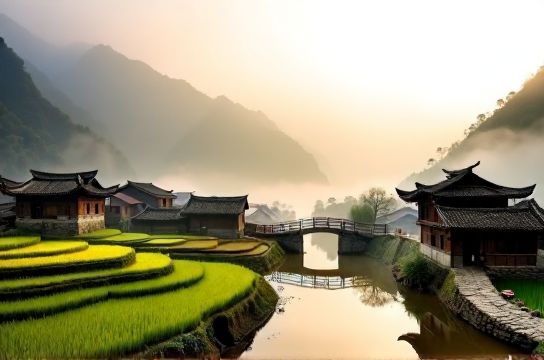
Think China is all about skyscrapers, bullet trains, and bustling megacities? Think again. Beyond the neon glow of Shanghai and the historic lanes of Beijing lies a quieter, more soulful side of China—its rural heart. Tucked into misty mountains, carved into terraced hillsides, and scattered along ancient trade routes, these hidden villages offer travelers a rare glimpse into authentic Chinese culture, untouched traditions, and jaw-dropping natural beauty.
Why Go Off the Beaten Path?
While over 60 million international tourists visited China in 2019 (pre-pandemic), most never ventured beyond the 'Big Five' cities. But here’s the secret: rural China is where the real magic happens. From Dong minority drum towers to Hakka tulou fortresses, these communities preserve centuries-old customs with pride and grace.
Traveling to rural regions isn’t just about scenic views—it’s cultural immersion at its finest. Imagine sharing handmade dumplings with a family in Yunnan, learning paper-cutting from a village elder in Shaanxi, or hiking through rice paddies managed the same way for 1,300 years.
Top 4 Hidden Rural Destinations
- Chengkan Village, Anhui – A Ming Dynasty time capsule surrounded by lotus ponds and pine forests.
- Xinping, Yuanyang County (Yunnan) – Home to the famous Honghe Hani Rice Terraces, a UNESCO World Heritage site shaped by generations.
- Taipingzhai, Hebei – A Great Wall-adjacent village with stone houses and zero tourist crowds.
- Huangluo Yao Village (Guangxi) – Famous for its Red Yao women, known for their incredibly long, jet-black hair.
What Makes These Cultures Unique?
Rural China isn’t one story—it’s hundreds. Each ethnic group maintains distinct languages, clothing, architecture, and festivals. The Hani people celebrate the Gaya Festival with bullfights and singing; the Dong are famed for their polyphonic 'Grand Choirs' that need no conductor.
And let’s talk sustainability: many of these farming methods are eco-friendly by design. The Hani rice terraces use a gravity-fed irrigation system from forested mountaintops—nature and culture working in harmony.
Quick Travel Stats: Rural vs. Urban China
| Metric | Rural Areas | Urban Centers |
|---|---|---|
| Average Visitor Stay | 5–7 days | 2–3 days |
| Cost per Day (USD) | $30–$50 | $80–$150 |
| Cultural Interaction Level | High (homestays, workshops) | Low (guided tours) |
| UNESCO Sites per Region | 3+ (e.g., Fujian Tulou, Hani Terraces) | 1–2 (e.g., Forbidden City) |
As this table shows, rural travel offers deeper engagement at a fraction of the cost. Plus, you’re supporting local economies directly.
Tips for Responsible Rural Travel
- Stay in homestays to support families directly.
- Ask before photographing people or rituals.
- Learn a few phrases in the local dialect—it goes a long way!
- Visit during off-peak seasons to reduce environmental strain.
Rural China isn’t just a destination—it’s a journey back in time, a chance to connect, and an invitation to slow down. So pack light, come curious, and let the countryside surprise you.