
Inside the Mindset of China's New Generation
- Date:
- Views:306
- Source:The Silk Road Echo
If you're trying to understand modern China, forget the textbooks—start with its youth. Born after 1990, especially the post-95s and post-00s, China’s new generation is reshaping culture, economy, and identity in ways that surprise even their own parents.
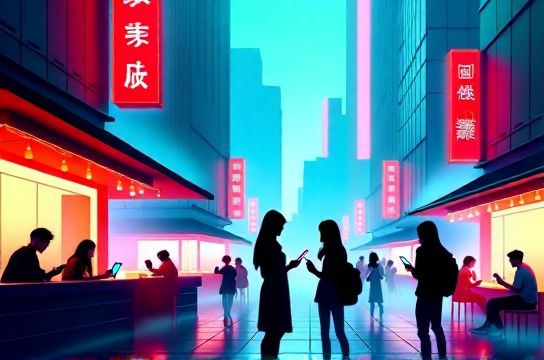
Digital Natives with a Twist
These aren’t just kids glued to phones—they’re digital architects. Over 98% of Chinese youth aged 15–30 use smartphones daily (CNNIC, 2023), but what sets them apart is how they blend tech with tradition. They’ll livestream a calligraphy session on Douyin (China’s TikTok) or use AI apps to restore old family photos. This fusion isn’t accidental—it’s intentional identity crafting.
Work-Life Balance? More Like Work-Life Blurring
The '996' work culture (9 am–9 pm, 6 days a week) sparked outrage among Gen Z. A 2022 survey by Zhaopin showed that 76% of under-25 workers prioritize mental health over salary. Enter the concept of “tang ping” (lying flat)—a quiet resistance against hustle culture. But don’t mistake this for laziness. These young people are redefining success: meaningful work, flexible hours, and personal growth trump corporate ladders.
Consumers with a Conscience
They’ve got spending power—over $1.5 trillion in annual consumer spend (McKinsey, 2023)—but they’re picky. National pride fuels support for homegrown brands like Li-Ning and Perfect Diary. Yet, sustainability matters too. A 2023 report found 68% of Gen Z would pay more for eco-friendly packaging.
| Value | Traditional View | Gen Z Shift |
|---|---|---|
| Career Success | High salary, job title | Work-life harmony, purpose |
| Brand Loyalty | Foreign luxury = status | Local + ethical = pride |
| Social Engagement | Private matters | Voice opinions online |
Love, Identity, and Social Pressure
Marriage? Many are saying 'not yet.' The average first marriage age in cities like Shanghai has risen to 30.3 for men, 28.7 for women (NBS, 2023). Why? Pursuing education, careers, and self-discovery come first. And while LGBTQ+ rights aren’t legally recognized, Gen Z is quietly pushing boundaries through art, fashion, and social media.
Global Minds, Chinese Hearts
They’re fluent in K-pop, Hollywood, and Silicon Valley trends—but with a critical eye. Over 60% believe Chinese culture will lead global trends in the next decade (Pew Research, 2022). This isn’t blind nationalism; it’s confident cultural hybridity.
In short, China’s new generation isn’t waiting for permission. They’re coding apps, launching indie brands, and redefining what it means to be Chinese in the 21st century. If you want to predict where China is headed, just follow the youth—they’re already there.